

.jpg)
When interior designer Lea Cojot chose her wedding jewellery, she approached it with the same intention she brings to her work. She wore only her engagement ring, an emerald-cut yellow diamond crafted by emerging New York designer Josefina Baillères, and a custom jacket band that wrapped around it. With a gown that commanded attention, Lea left her neck bare and chose only the simplest diamond hoops, her mother had gifted her.
Instagram content
Across regions and cultures, a new generation of brides is rewriting the rules of what wedding jewellery should look and feel like. Today’s women prefer pieces that feel true to their style, align with their everyday lives, and offer the versatility to be worn often. The new-age bride is building trousseaus that are timeless yet versatile, bold yet wearable, luxurious yet personal.
“Across the weddings that I have planned from Southern France and the Riviera to Lake Como and Dubai, today’s brides choose jewellery that is driven by a more intentional approach to luxury, choosing pieces that feel like long-term investments rather than items that stay in the safe. The new-age bride still cherishes the ceremony, but she no longer wants jewellery that feels like a costume. She wants pieces that feel like her, every day,” affirms renowned wedding planner Muriel Saldalamacchia.
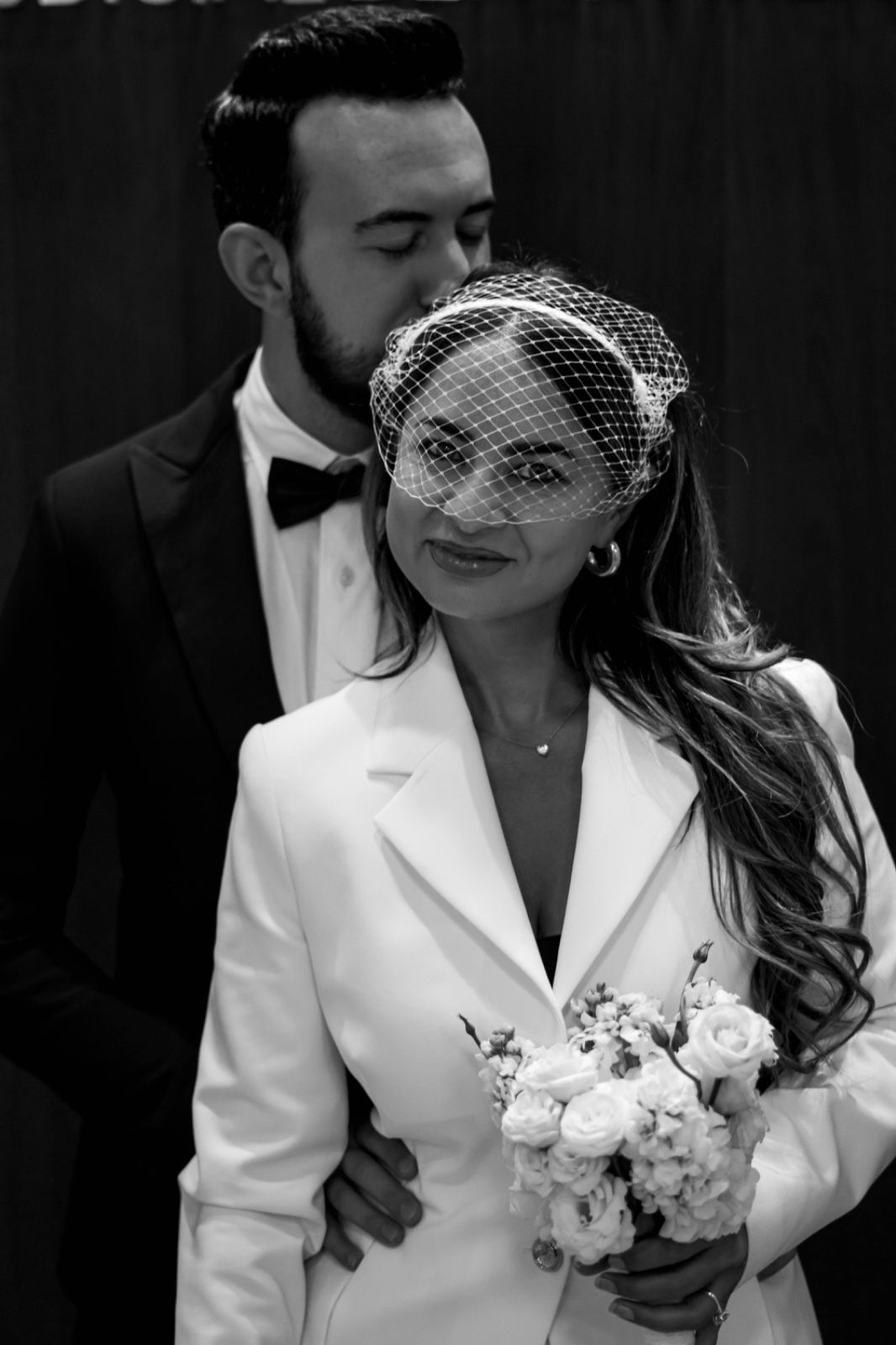
When Maz Hakim, the Virgin Radio Dubai presenter, tied the knot, she chose a trousseau that honoured every layer of her identity: Afghan, Australian, and now, Turkish by marriage. “My family left Afghanistan as refugees, and my parents weren’t able to bring anything with them. So growing up, we didn’t have generational pieces or heirlooms to pass down. When my family asked what I wanted as a wedding gift, I told them I wanted jewellery not for the value, but so I could begin that tradition for myself and future generations. My trousseau needed to reflect my cultures, but also my everyday aesthetic.”
Simultaneously, what has changed is the approach. For this generation of brides, elegance is defined by pieces that live beyond the wedding day. “I don’t believe in jewellery that sits in a box and comes out once a decade. That mindset shaped everything I chose,” she agrees. For the wedding, she chose timeless essentials: classic diamond studs, a diamond tennis bracelet gifted by her sister, her wedding band, and a delicate diamond necklace. “These are pieces I can wear with anything from a radio interview to an event to a simple dinner with my husband.”
.jpg)
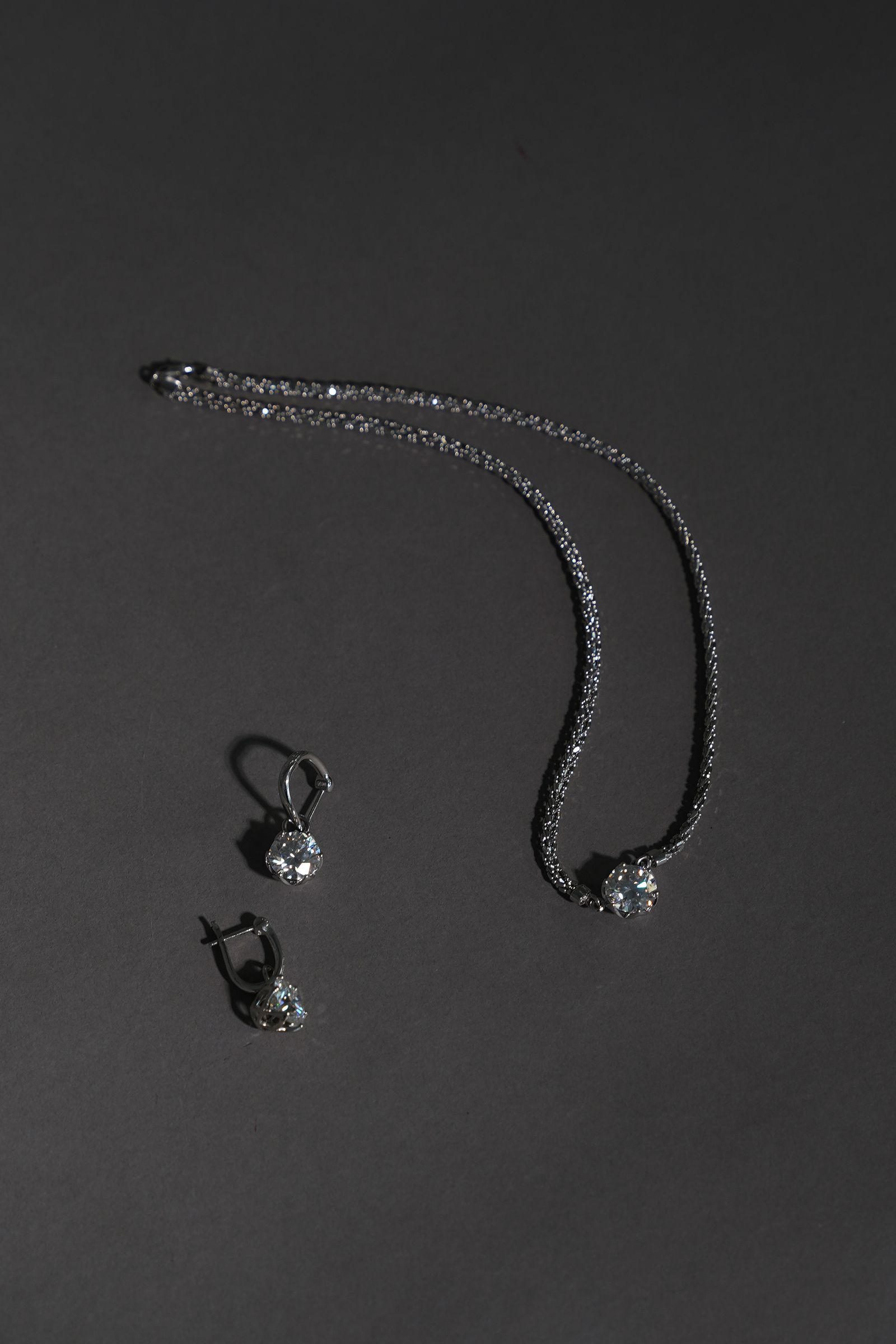
A notable trend within this shift is the move toward minimal silhouette, but with depth, craftsmanship, and emotional resonance. Many brides are opting for designs that appear delicate yet carry intentionality. “True grandeur comes from emotional resonance, not physical weight. A bridal investment piece should feel significant without being overwhelming,” says Dewang Soni, Creative Director and Co-Founder of Wang The Brand, a family-owned label known since the early 2000s for its stackable configurations, puzzle rings, bracelets that transform into rings, and signature engagement silhouettes.
Think diamond studs sculpted with architectural precision, subtle enough for daily wear, striking enough for an evening gala or ear cuffs, climbers, and ear jackets: sculptural, architectural, bold without being bulky. Worn with a sleek bun or a soft wave, they lend an edge to bridal looks and add a touch of glamour to a simple evening dress or power suit. Or, even tennis necklaces that pair just as effortlessly with a white button-down as with couture.
Soni says that tennis necklaces and bracelets are poised to become the next major statement pieces. “Brides today want something that feels iconic but not overly traditional, and a tennis necklace hits that balance perfectly. It’s timeless, works with almost every neckline, and perhaps most importantly, evolves into a true lifetime piece. She can wear it on her wedding day, on anniversaries, at events, or even styled casually with a shirt or blazer. It’s that perfect blend of subtle luxury and everyday versatility, which is exactly what the modern bride is gravitating towards,” he adds.
Even mixed metals are returning, but in a controlled way: touches of platinum or white gold with yellow gold, especially in stackable bands, for pieces that travel effortlessly across wardrobes and time zones. “One bride of mine, who married at a private estate in Provence, chose a sleek oval solitaire on a fine yellow-gold band, paired with modern diamond huggies. It was impeccably chic with her couture gown and months later, she sent me a photo wearing the same pieces with a white shirt and jeans in Dubai. They looked just as right in both moments,” says Muriel. That’s exactly where bridal jewellery is headed.
There has also been a noticeable rise in the demand for rare and unique coloured stones. “The colour profiles for these stones range from faint to deep, providing a whole new array of colours that the usual colored gemstones may not be able to achieve,” Soni highlights. Brides are also choosing centre stones based on personality; think green for grounding, blue for wisdom, yellow for optimism, pink for playfulness. Just as Maz chose amethyst crystal earrings for her bridal shower because the stone resonates with her. For the welcome dinner, she leaned into pink with oversized earrings, a matching ring, and a simple tennis bracelet—an edgier look, yet still her.
While modernity drives this movement, heritage remains deeply revered. The new-age bride is simply redefining what inherited jewellery means. She’s far more involved in the design process – even when the piece is a family gift and she isn’t afraid to reimagine a grandmother’s heirloom into a contemporary silhouette that reflects her own aesthetic. “This shift is especially visible in Middle Eastern and Mediterranean weddings, where heirloom-style pieces and long-held traditions still hold immense emotional weight. Families increasingly embrace this mindset, recognising that she isn’t rejecting heritage but elevating it into something she’ll genuinely wear,” Muriel highlights. Maz also added how her mother-in-law, honouring the Turkish tradition of gifting gold, gave her a gold necklace featuring her husband’s initial, ‘O,’ designed by a Turkish jeweller.
Investment jewellery, for this generation, is about the weight of meaningful pieces that feel like them now and will still look effortlessly elegant 20 years from today. And that, perhaps, is the most beautiful shift of all.


.jpg)
