


Do you remember when luxury fashion was built on exclusivity and inaccessibility? Today, the pendulum has swung entirely in favour of relevance, and rarity has traded power with visibility. When news of the John Galliano x Zara partnership broke last month, the internet was divided, as usual. Around the same time, Willy Chavarria’s collaboration with Zara only reinforced the point, proving this was not a one-off moment but part of a wider shift in how luxury names were approaching accessibility.
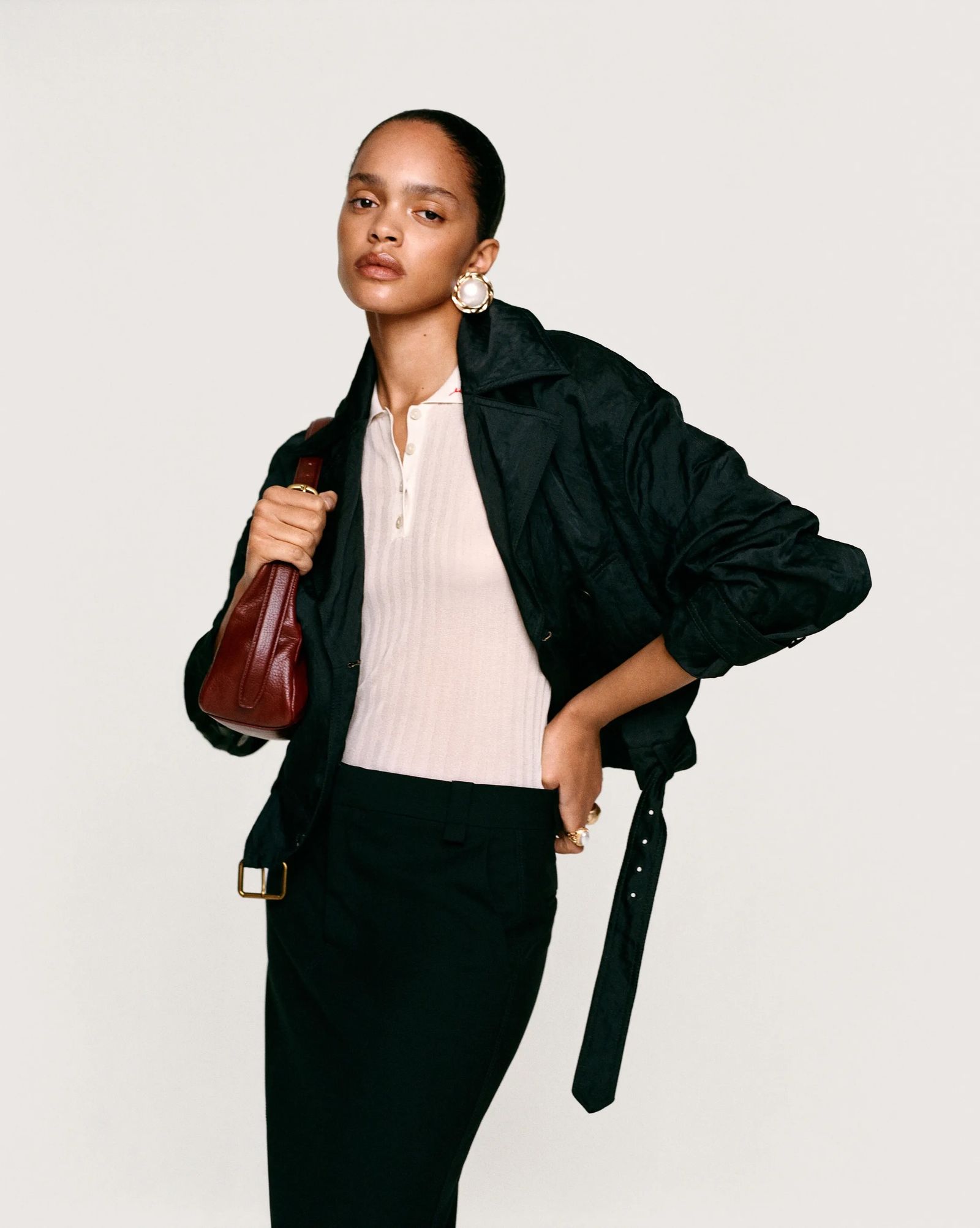
It also arrived as part of a much larger movement already shaping the industry – from Jonathan Anderson’s continued work with UNIQLO to the long-standing legacy of H&M’s designer capsules with names like Stella McCartney and Glenn Martens. On one end, it opened the door for those who could only dream of owning a piece of craftsmanship shaped by Galliano’s vision, instantly breaking the invisible class wall fashion had so carelessly placed between aspiration and access. On the other, what does it say about the value of craft when an industry stalwart like – known for his masterful storytelling and maximalist vision – collaborates with a fast fashion retailer built on mass production, where everyone owns a version of the same thing? Does that accessibility democratise art? Or does it dilute the very value of the craft itself?
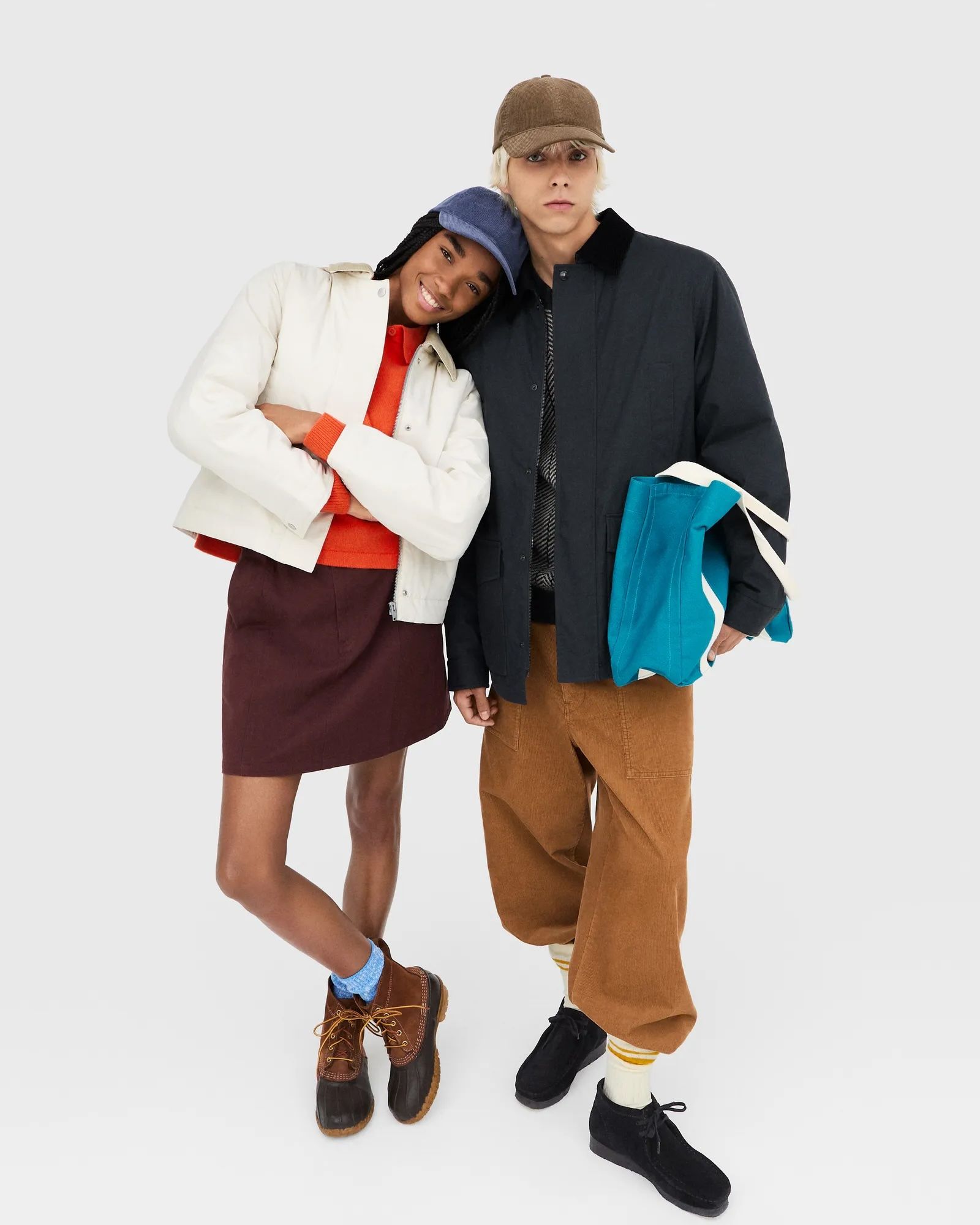

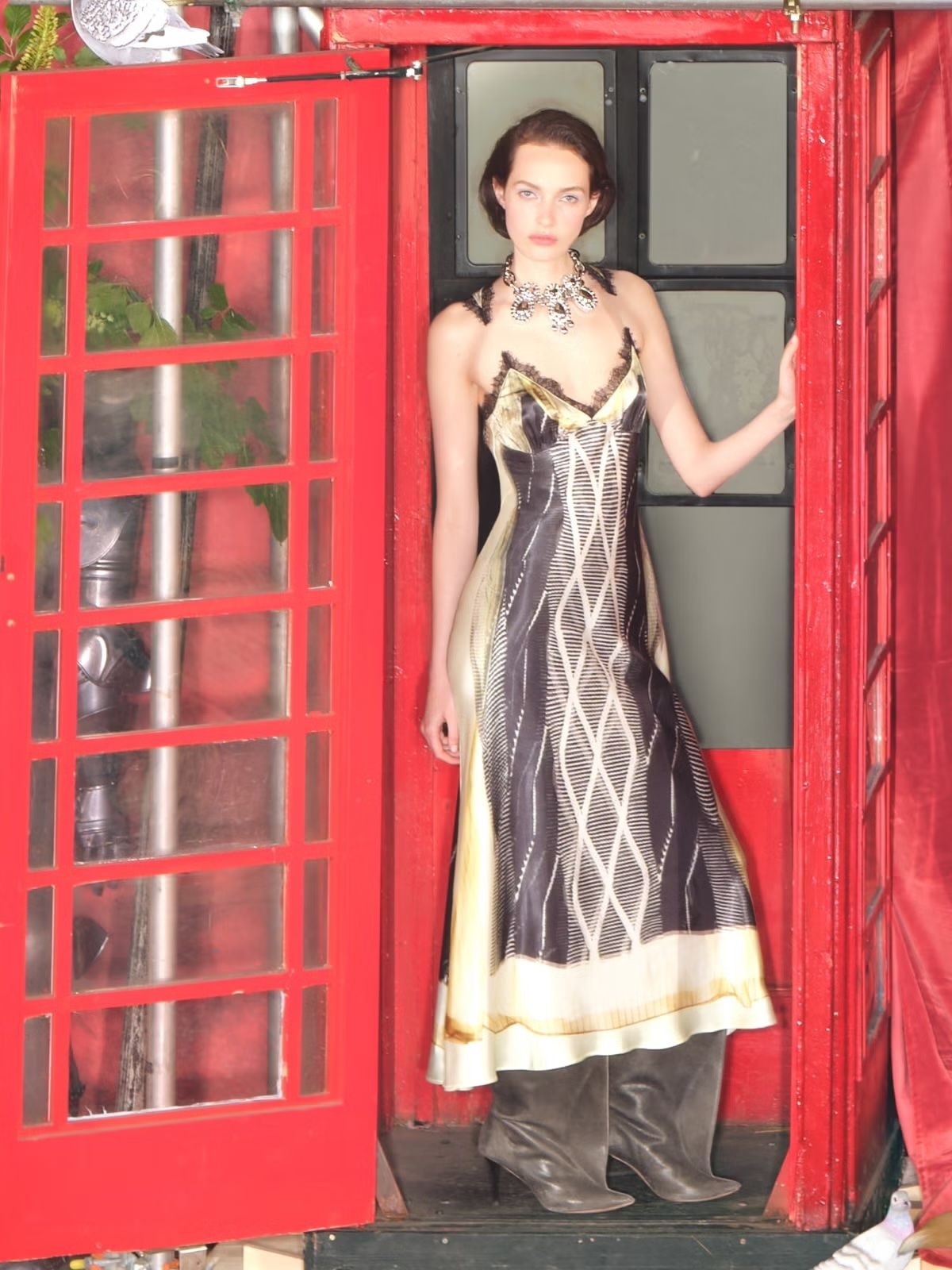
The democratisation of fashion may invite mixed reactions, but what it truly means for the industry itself, the designer closing that bridge and the shopper on the receiving end deserves to be unpacked in detail. Let’s start with the most important part of this pyramid: the consumer. These collaborations allow people across varying financial brackets to participate in fashion that once felt inaccessible because of price. To own something designed by a couturier at a ready-to-wear price point helps close that vast gap. Fast fashion retailers are often known for mimicking what designers at major houses create, watering it down in a way that feels more palatable for the masses. Here, however, you get the actual designer and the design language itself, without the feeling of buying a first copy. For the designer, it opens an avenue into the real world beyond the runway, the buyers, the luxury e-commerce platforms and the glossy ecosystem of editors and influencers. If influence is measured by visibility, this is absolute global prestige.
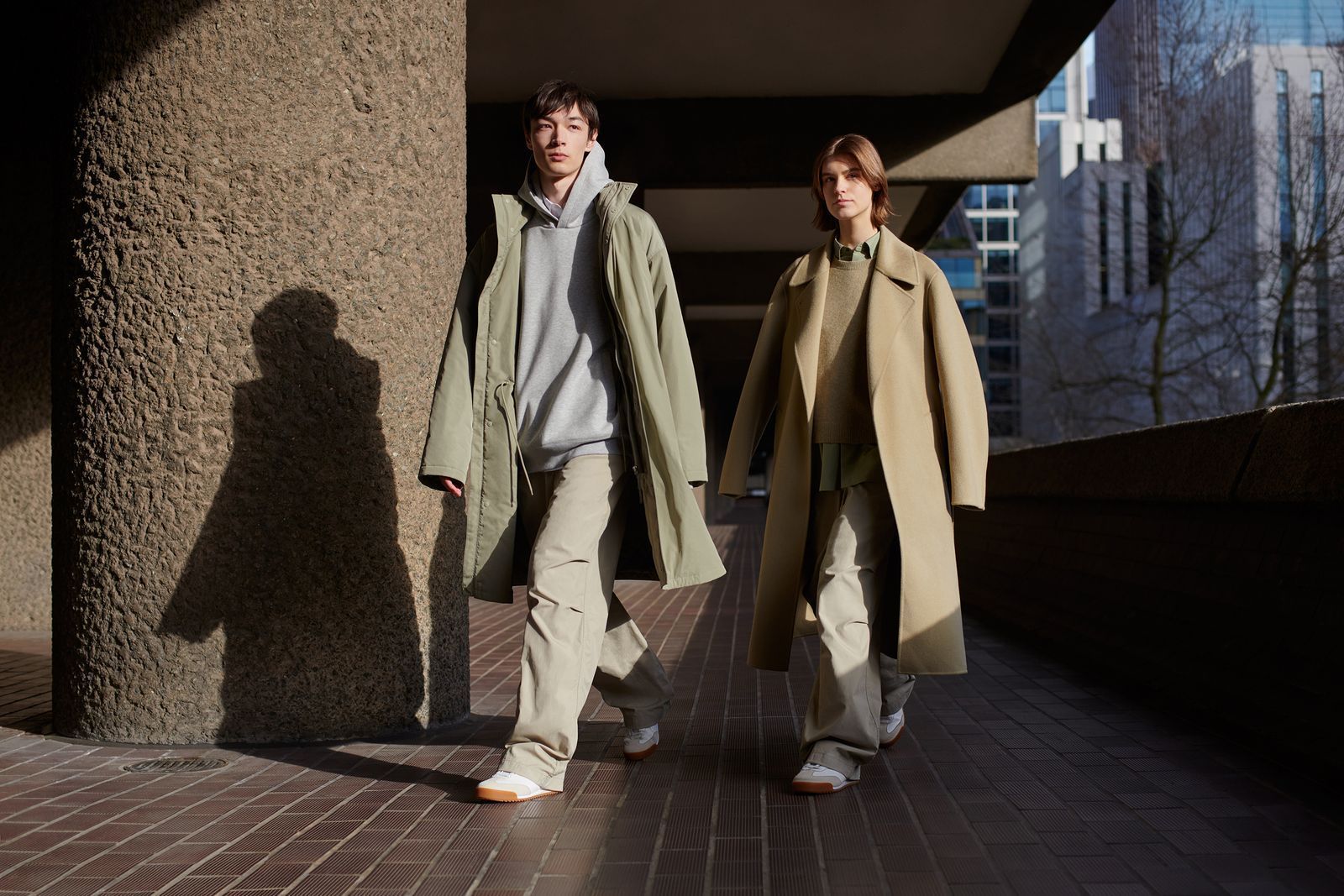
Now let’s dive into the brand aspect of this new-age fashion mechanism – juxtaposing two opposite ends of the industry. With a collaboration like this, the brand instantly repositions itself. When a retailer brings in a designer like John Galliano for Zara or Jonathan Anderson for UNIQLO, they are not just borrowing an aesthetic, they are gaining access to the authority that designer holds within fashion. Social media instantly laps up these collaborations, creating curiosity long before the collection even drops. Pre-sales are high, anticipation builds, and everybody wants to own a piece. Because then, it matters less whether you say it is from Uniqlo – what matters is that you are wearing Jonathan Anderson. Or Galliano. That cultural participation is exactly what makes these collaborations such a powerful business strategy.
We cannot draw this discourse to a close without addressing the obvious criticism – the very democracy of it asks for that. When you offer luxury to everyone, you risk diluting its value through volume. Especially within fast fashion, everything is built on acceleration, and speed often comes at the cost of quality. But quality is the very core of luxury. Luxury thrives on being slow, delicate, time-consuming and exacting in both its inception and execution. That is the principle it was built on. So while there are undeniable advantages to these collaborations, the biggest disadvantage remains the way we risk foregoing quality for aesthetics, design and a name that originally built the credibility of that luxury in the first place.


