


Fashion has long been accused of selling an illusion not just of beauty, but of belonging. In recent seasons, the industry has made a visible, even laudable, effort to widen the definition of who belongs on its runways. Older women are finally having a long-overdue moment. Christy Turlington recently appeared for Michael Kors, while Kristen McMenamy brought her singular energy to Miu Miu. Kate Moss closed the Gucci show in Milan with the same gravitational pull she held thirty years ago, and Anh Duong walked for Carolina Herrera, proving that elegance is a skill refined by time.
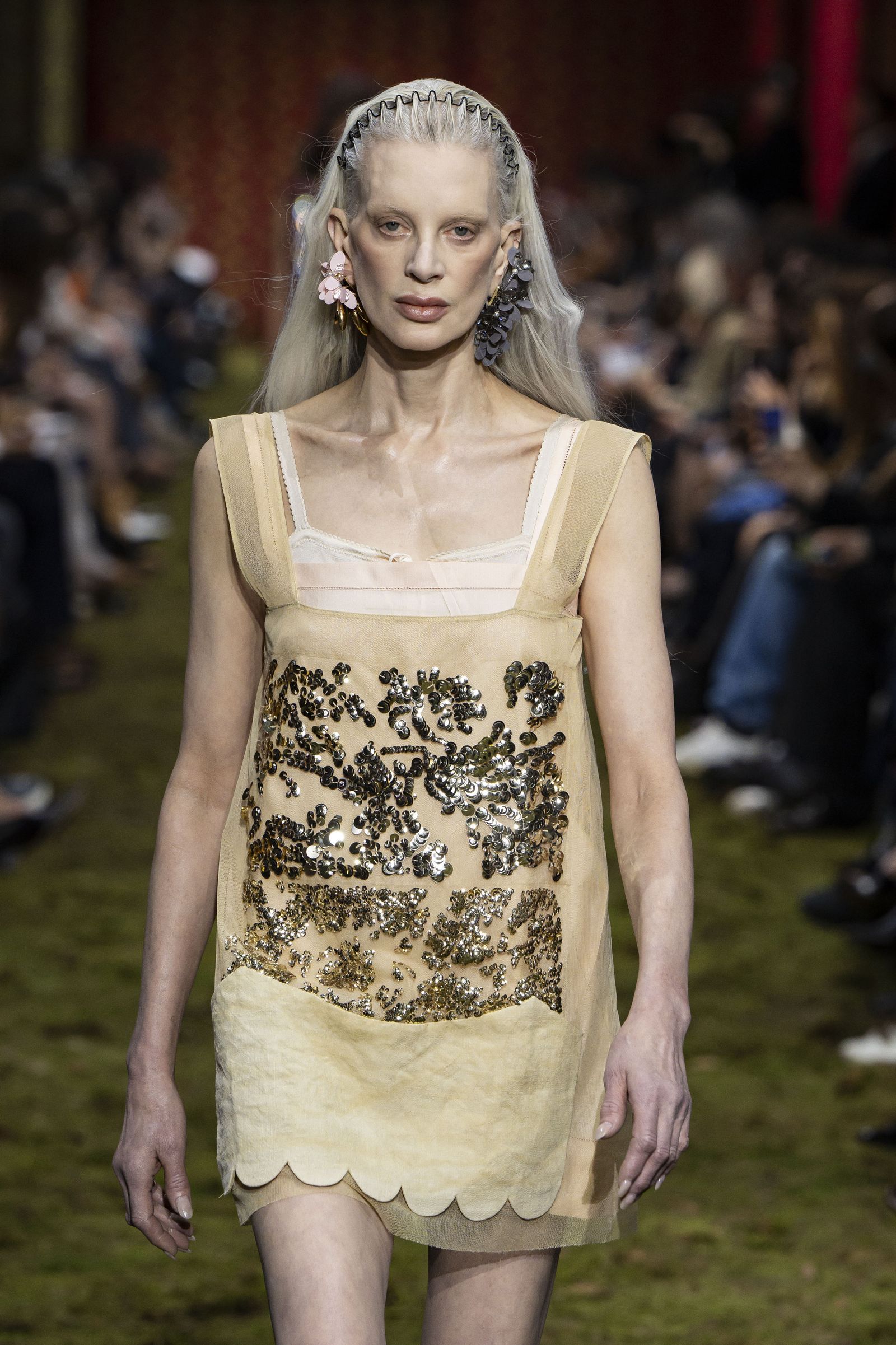
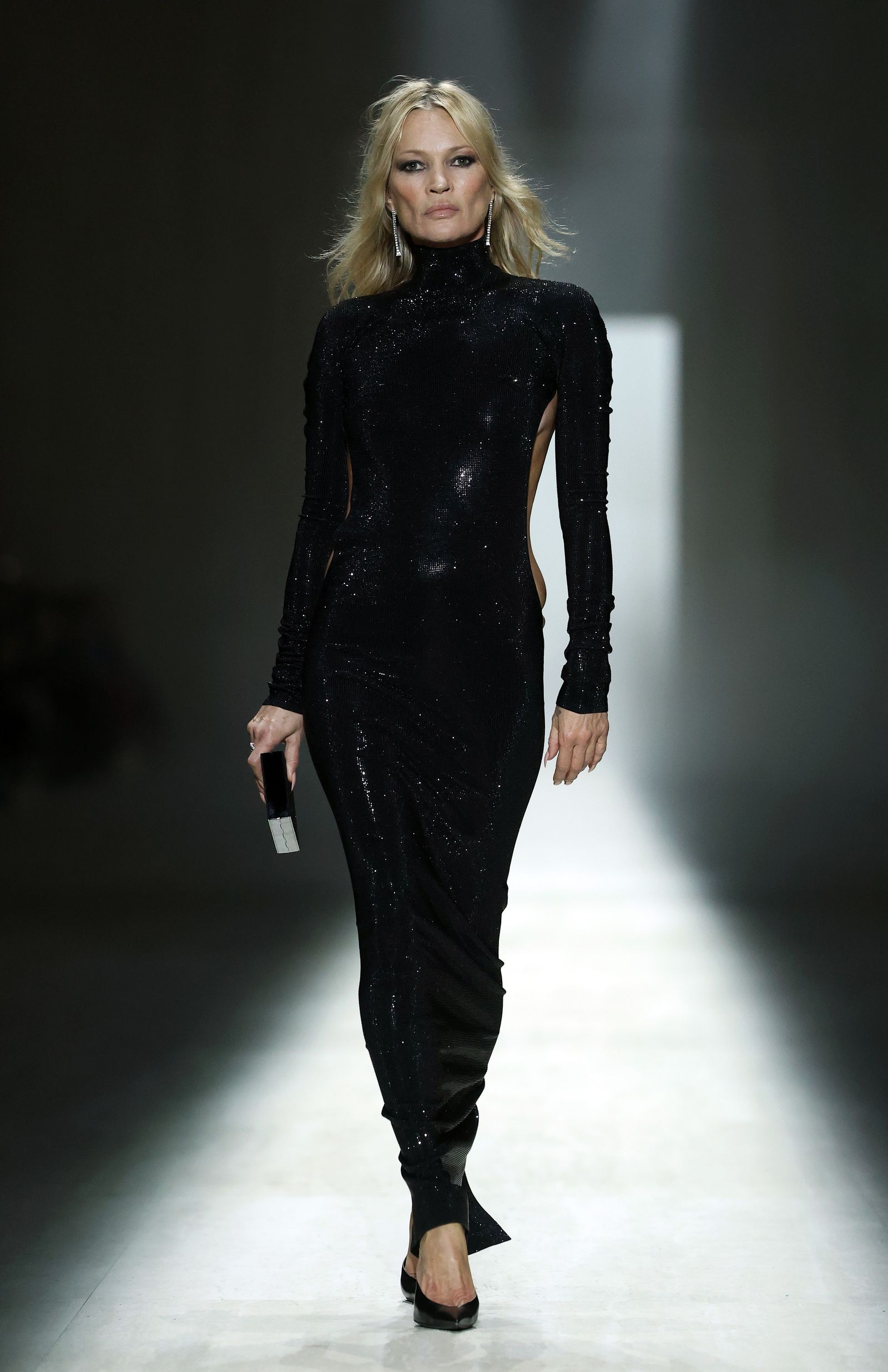
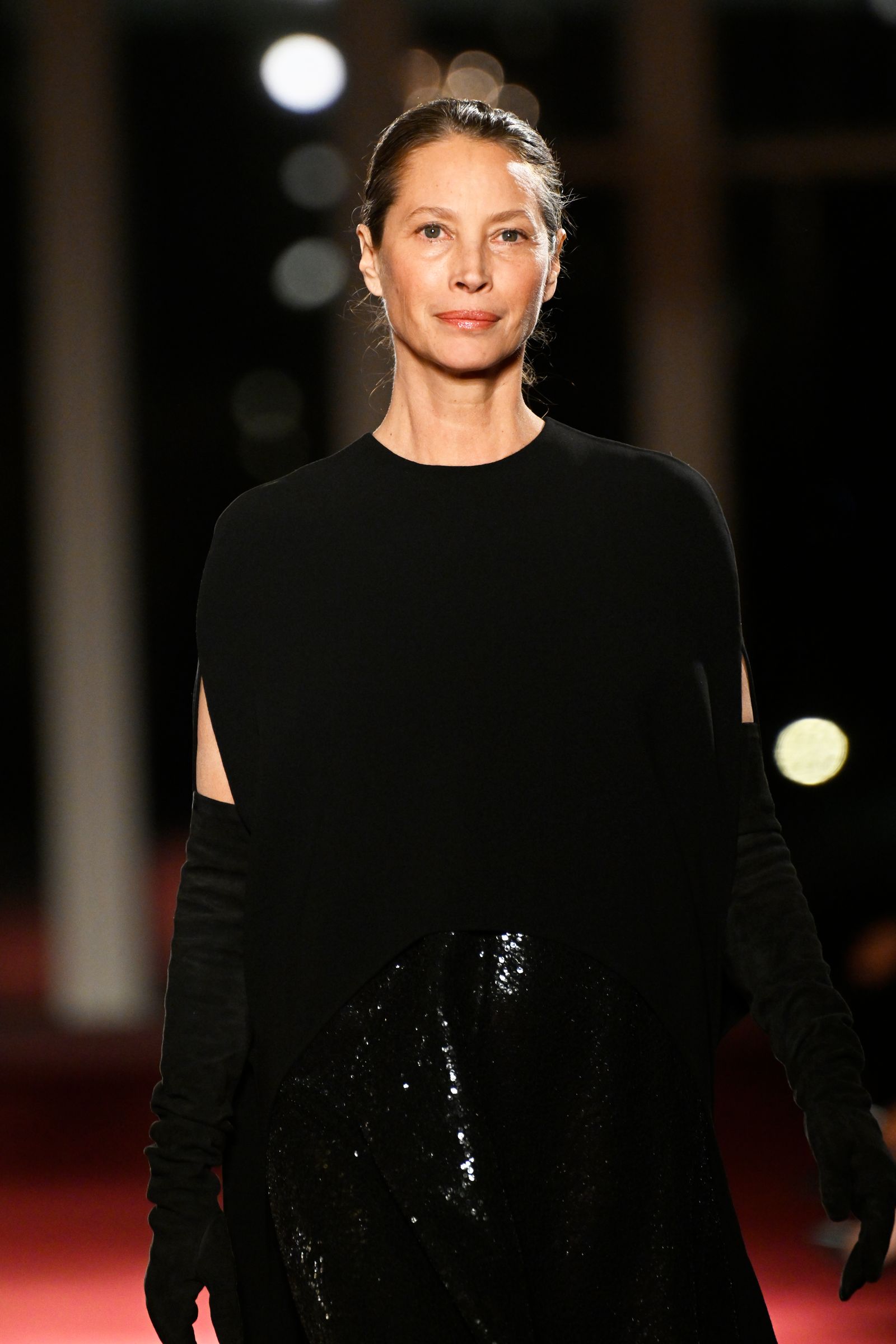
These are not token appearances. They are cultural statements that challenge the industry’s historical obsession with the ingenue. Yet, as the front rows applaud this so-called “silver renaissance,” an uncomfortable question lingers: if we can finally celebrate the beauty of a face that tells a story, why do we remain so hesitant to dress bodies that fall outside the narrow confines of industry size-zero to two standards? This selective inclusivity reveals something telling: fashion is willing to respect the passage of time, but only when the silhouette remains unchanged. It forces the harder question: is the industry actually broadening its idea of beauty and fashion, or is it simply expanding the sample size to include a different demographic of the thin?
The past decade has seen genuine momentum in rhetoric, yet the runway remains largely resistant to true physical diversity. This stagnation is often defended through an economic lens. True size inclusivity demands a fundamental overhaul of the design process. Unlike age representation, which requires little structural change – an older model can often be fitted into a standard sample with minimal alteration – size diversity asks the industry to rebuild, not just recast.
By prioritising age over size, the industry chooses the path of least resistance. It takes the social credit for diversity without the financial investment required to dismantle the traditions of a single, standardised silhouette. Consequently, plus-size appearances remain singular gestures, visible efforts rather than a genuine shift in how clothes are constructed.
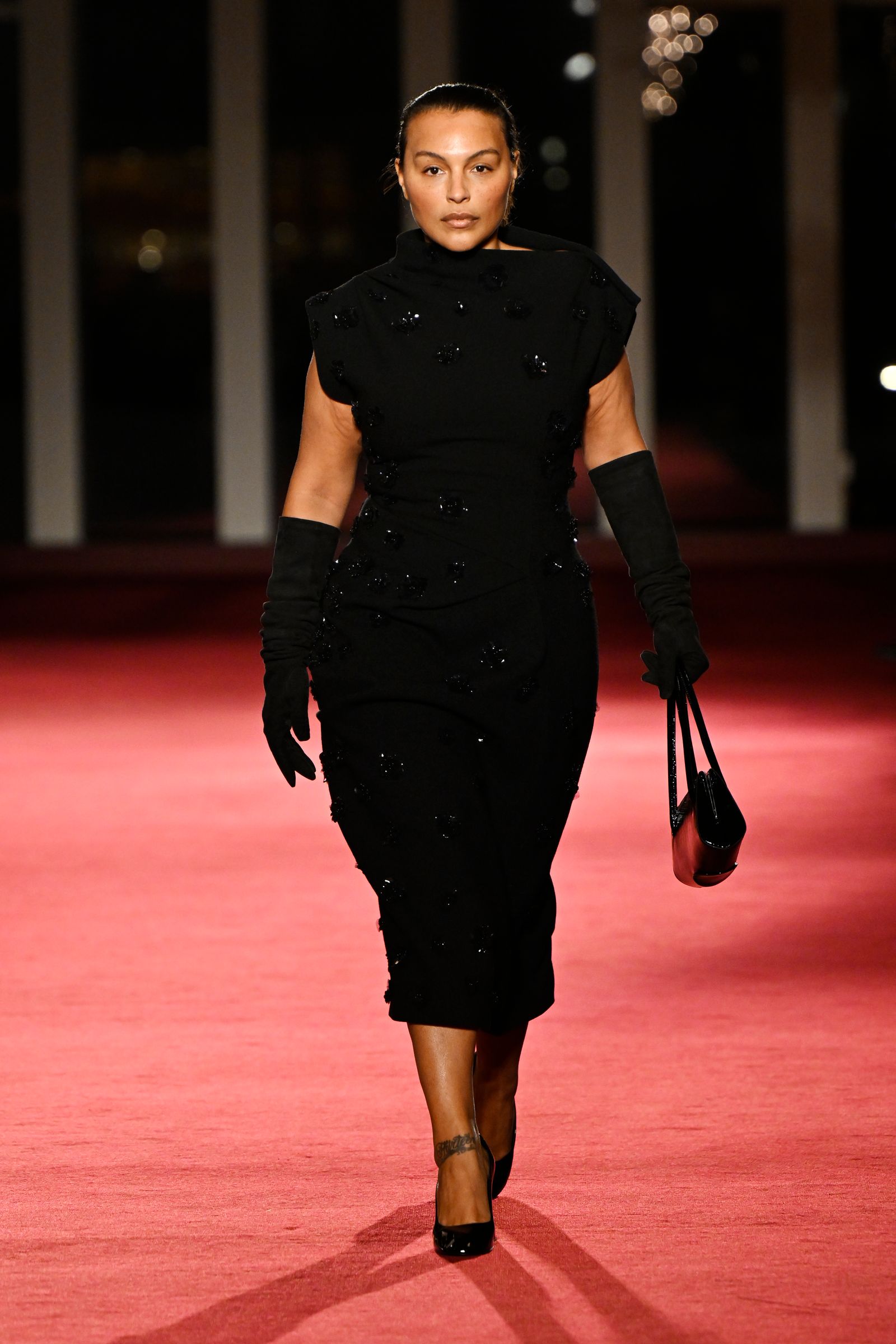
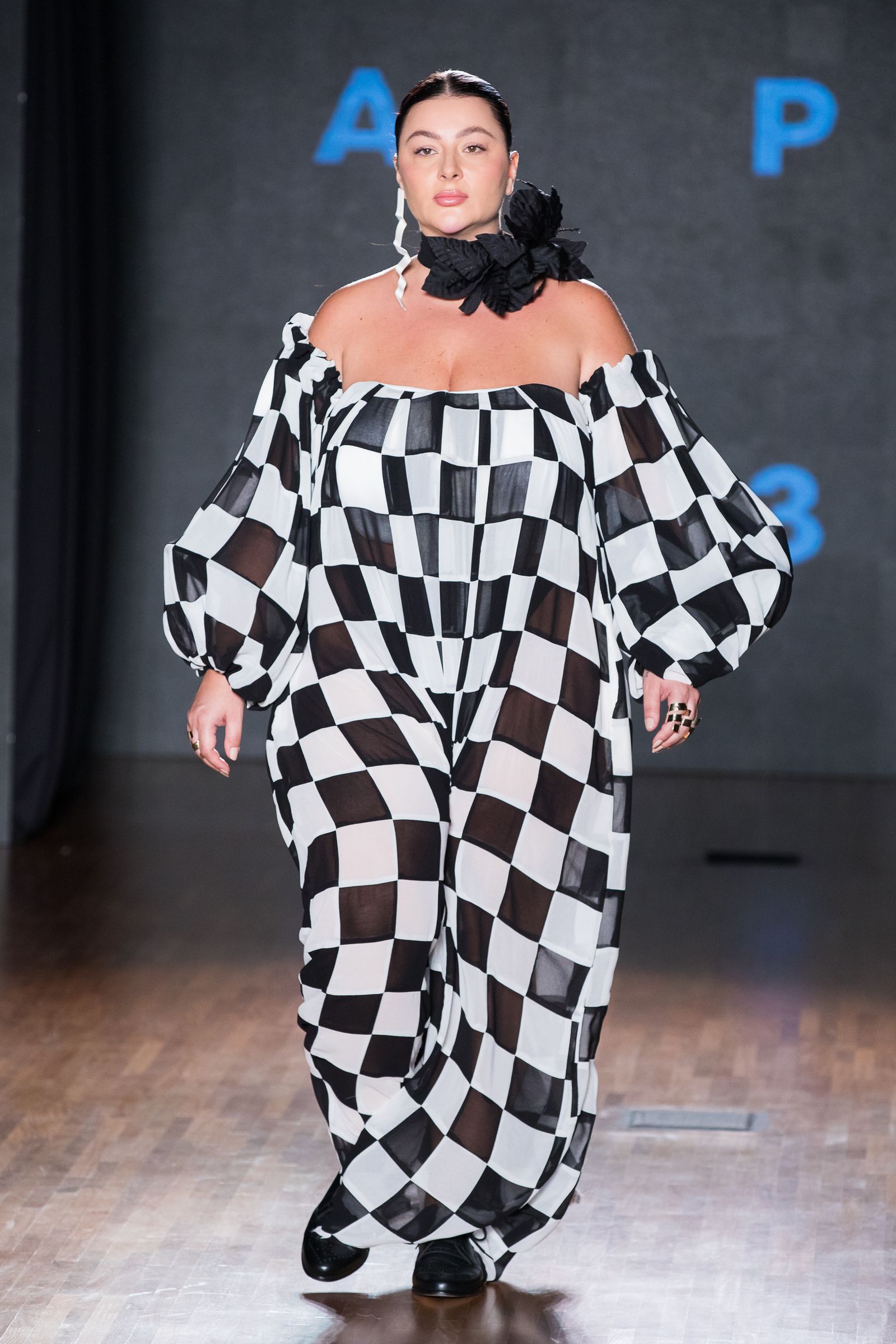
Fashion did not arrive at size inclusivity reluctantly; it arrived selectively. The industry has offered a curated version of the plus-size body: hourglass, symmetrical, and always comfortably within the bounds of what its samples can accommodate. Paloma Elsesser and Precious Lee are powerful presences, but they represent a specific kind of plus-size body. The woman whose weight is distributed defiantly or without symmetry has not walked those runways. While it has taken years for the industry to even begin embracing models with diverse body types on the runway, this shift has largely been shaped by a version of inclusivity that still feels visually “palatable” to conventional standards.
The failure runs deeper than casting. A smaller-sized garment is conceived from the first sketch with intention. A garment at the end of an extended range is, in most cases, the same design scaled up without an understanding of how fabric behaves differently on a body that does not conform to a standard block. Fashion has congratulated itself for making larger sizes without asking what it means to design for larger bodies with the same creativity and conviction.
Fashion has the capacity to confer dignity on lives that the wider world has overlooked. This season proved that capacity still exists. But meaning is only fully realised when it is extended without condition. The next act of courage is not another casting of a beloved supermodel at sixty. It is a runway that looks like the world that actually wears the clothes: varied, unruly, and entirely steadfast in its refusal to shrink.


