

This Bride Wore a Classic Vera Wang For Her Persian-English Wedding
This entrepreneur’s Persian-English wedding was nothing short of a fairytale, set against the enchanting backdrop of the countryside

“I never really understood what people meant when they said ‘when you know you know’, but it all suddenly clicked when I met Babak,” says Aylar Farrokhzad, founder of Persian iced tea brand, Yalda Iced Tea, who tied the knot in the English countryside in the Cotswolds. Their story began in the most modern of ways – on a dating app – but what followed was a romance that was anything but ordinary. A series of memorable dates followed their first meeting, but it was their third that cemented Aylar’s feelings. “In the middle of all the chaos and laughter, I remember looking at him and thinking, this is it,” she shares.
Their story found its fullest meaning in a three-day wedding that gracefully intertwined centuries of Persian and English traditions. The couple knew from the beginning that their wedding would honour both of their cultural identities. “It was imperative,” Aylar explains. “Our relationship is rooted in love, but also in a deep respect for where we come from. I wanted us to honour both sides of our story – the English countryside that feels like home, and the Persian traditions that carry generations of meaning.”
At receptions across the globe, brides are ditching heavy gowns for white minis – fun, flirty, and oh‑so practical
-3.jpg)
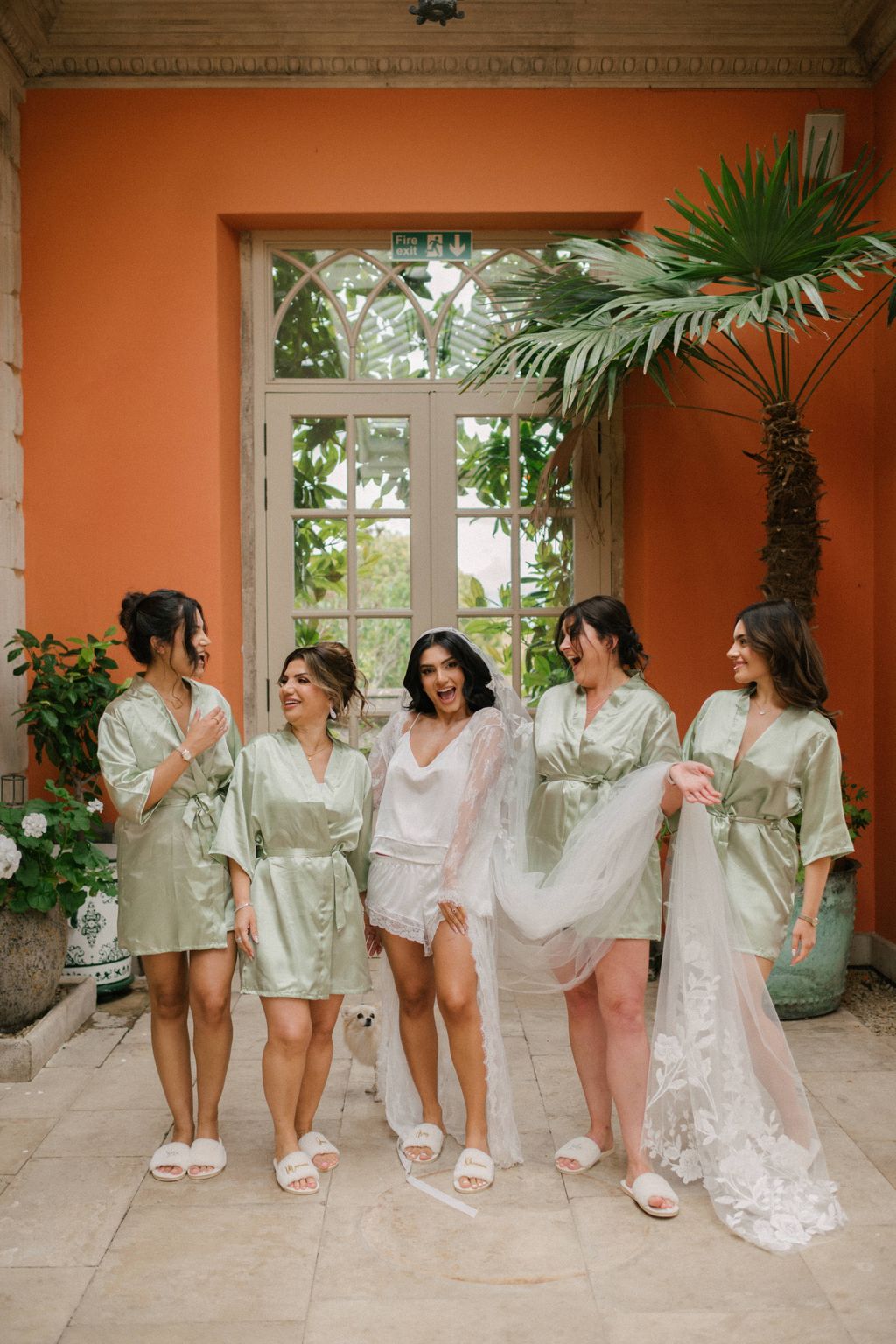
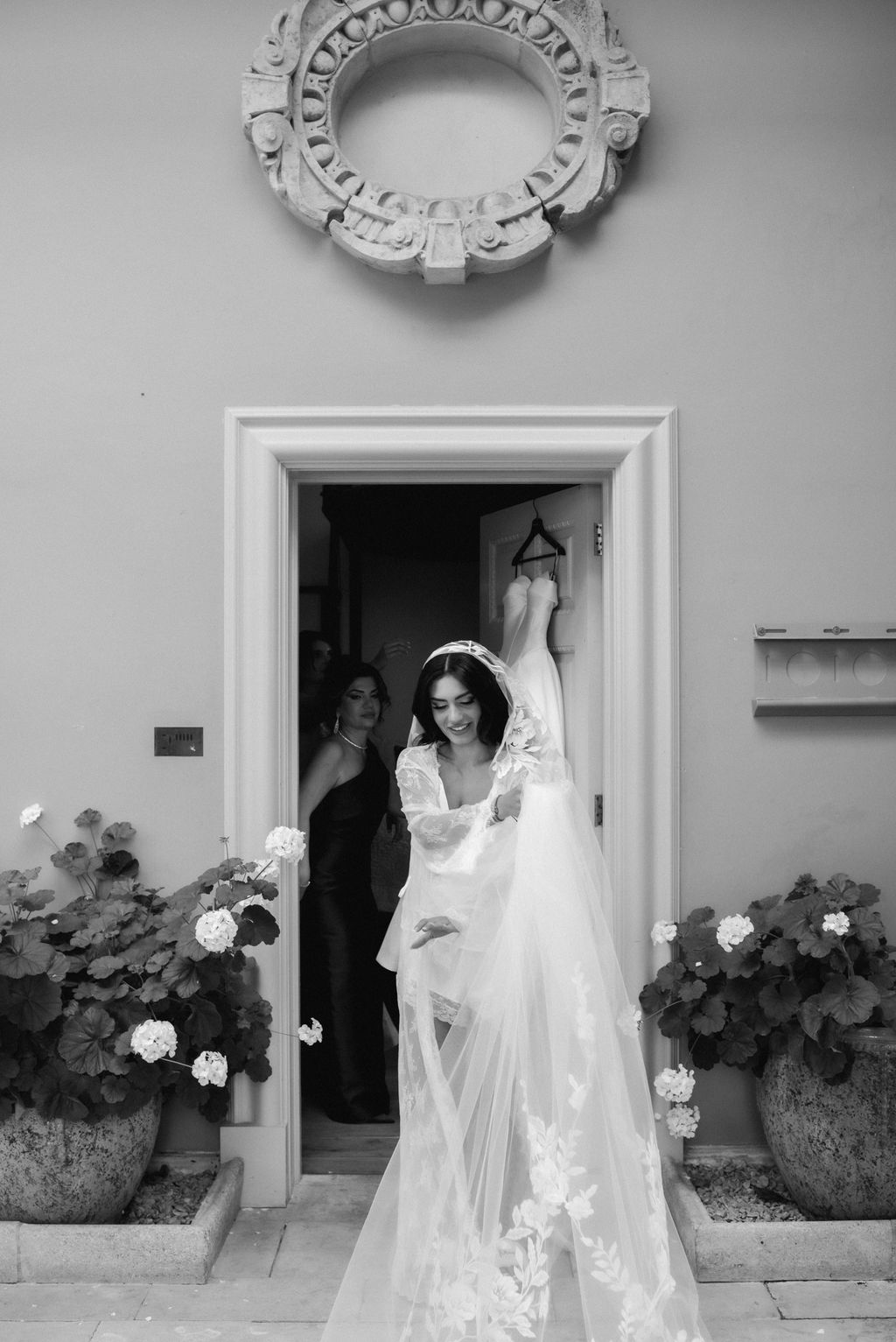
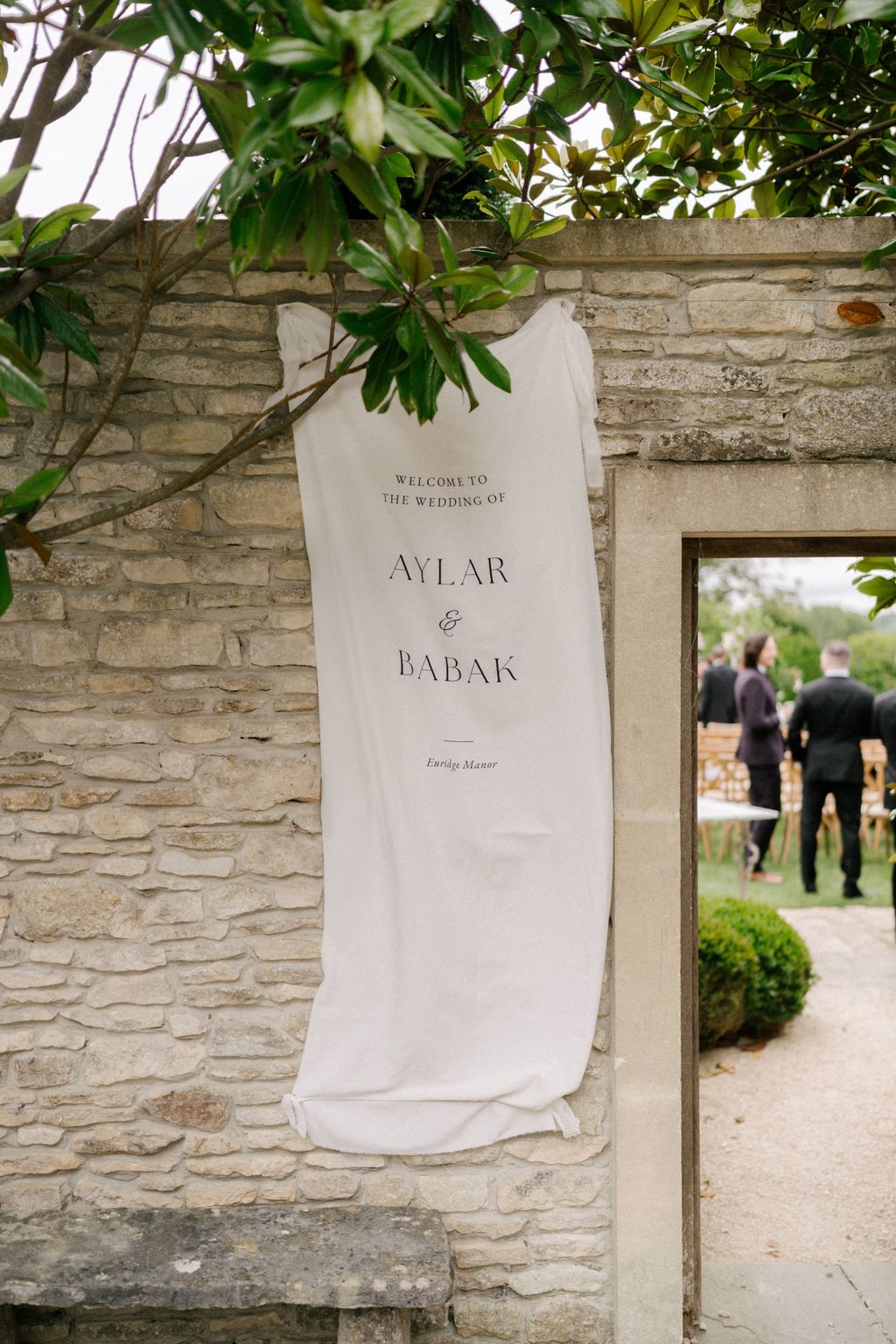
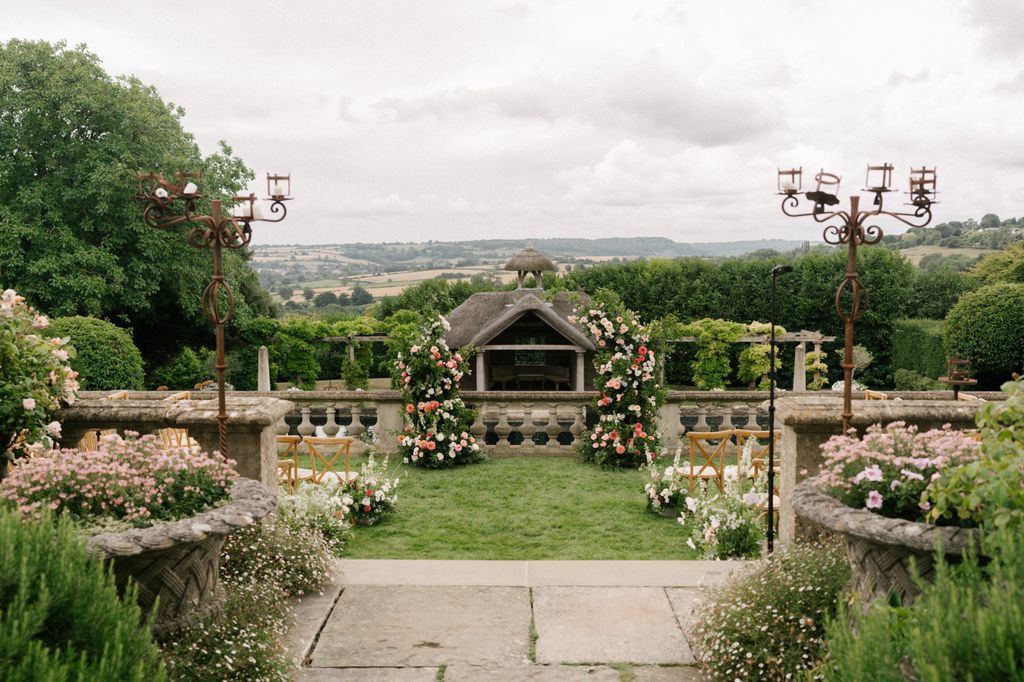
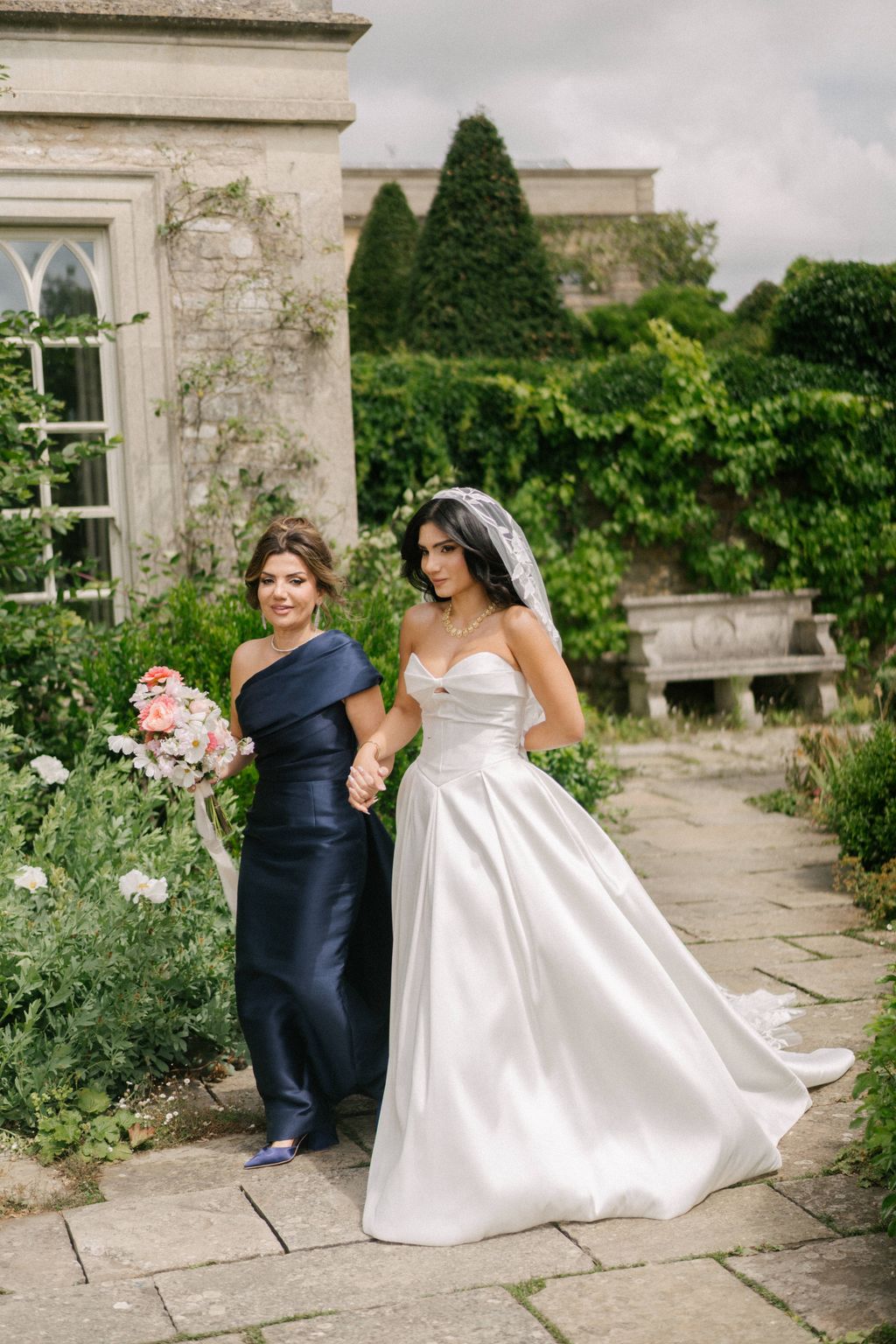
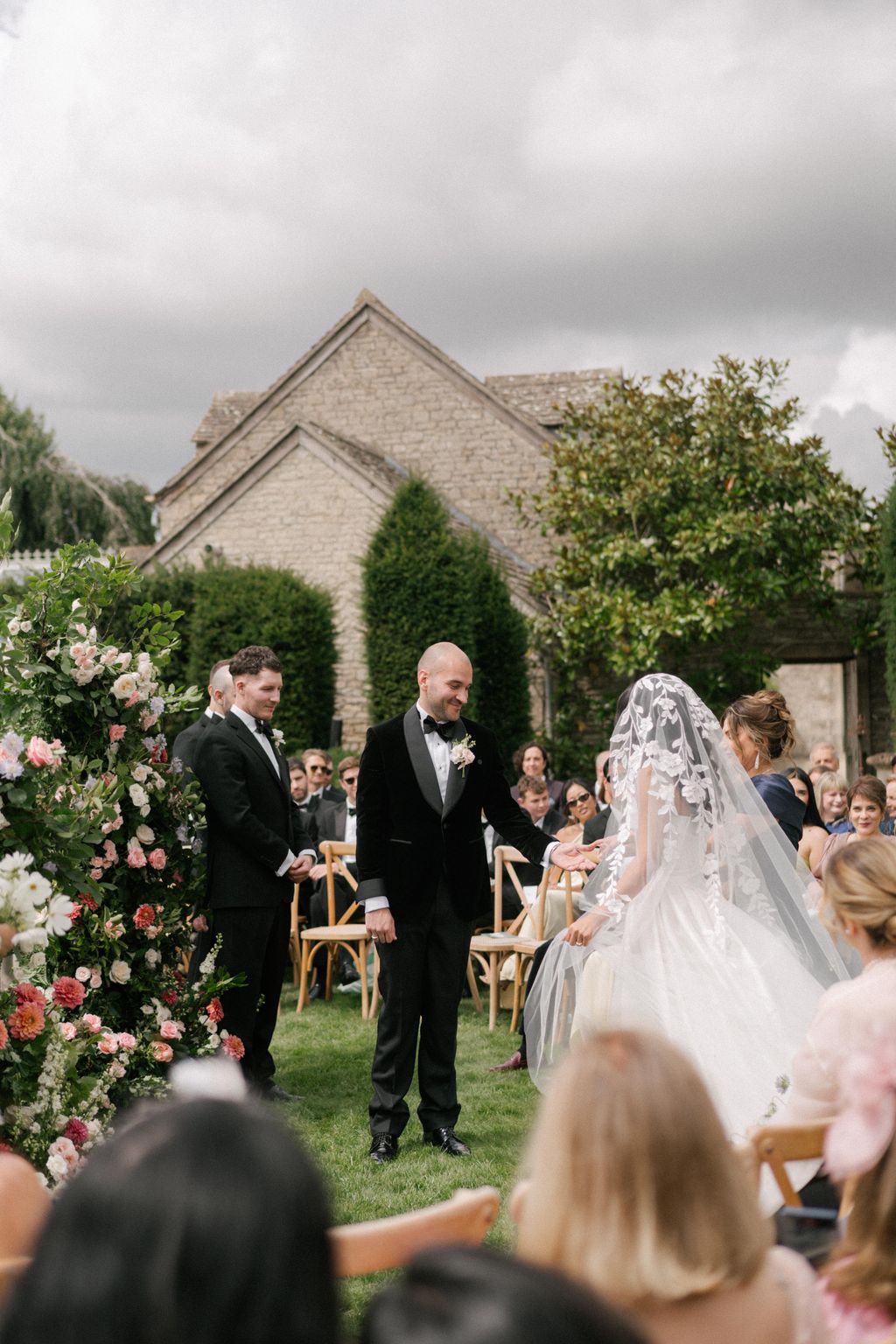
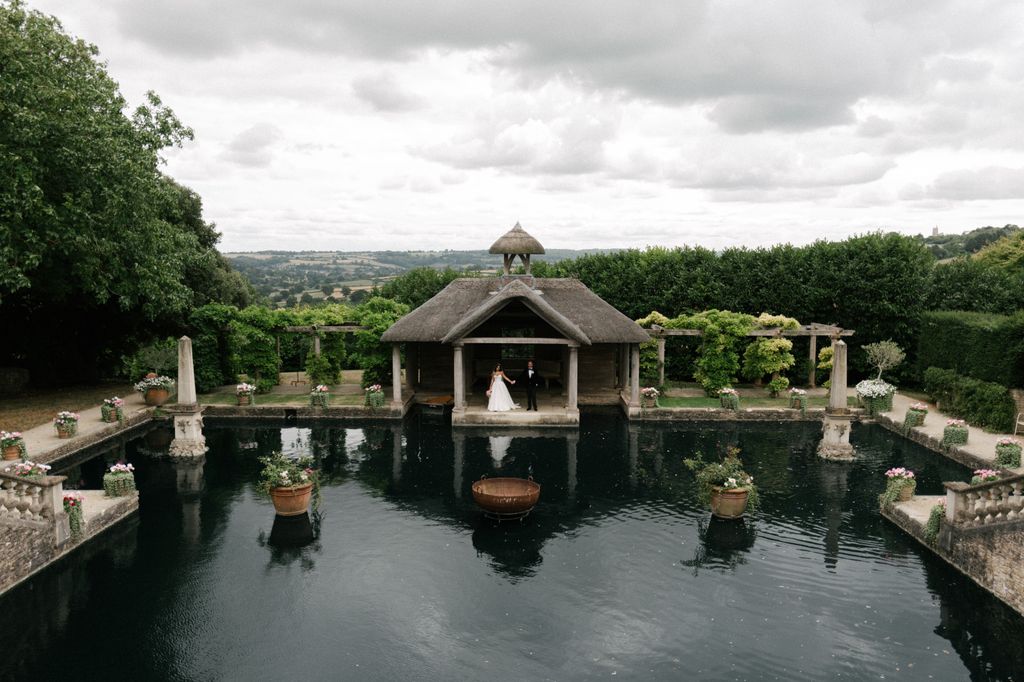
At the stunning Euridge Manor in the Cotswolds, their wedding unfolded across the sprawling estate in two acts. It began with the English ceremony on a sunlit balcony overlooking the boathouse. Upstairs in the orangery, Aylar prepared with her bridesmaids and her mother, who played an especially poignant role in the day. “Being walked down by my mother was a very special moment,” she says. She walked to the aisle to the sound of a Persian song that had played the night Babak proposed, with the ceremony officiated by a reading of Rumi’s poetry.
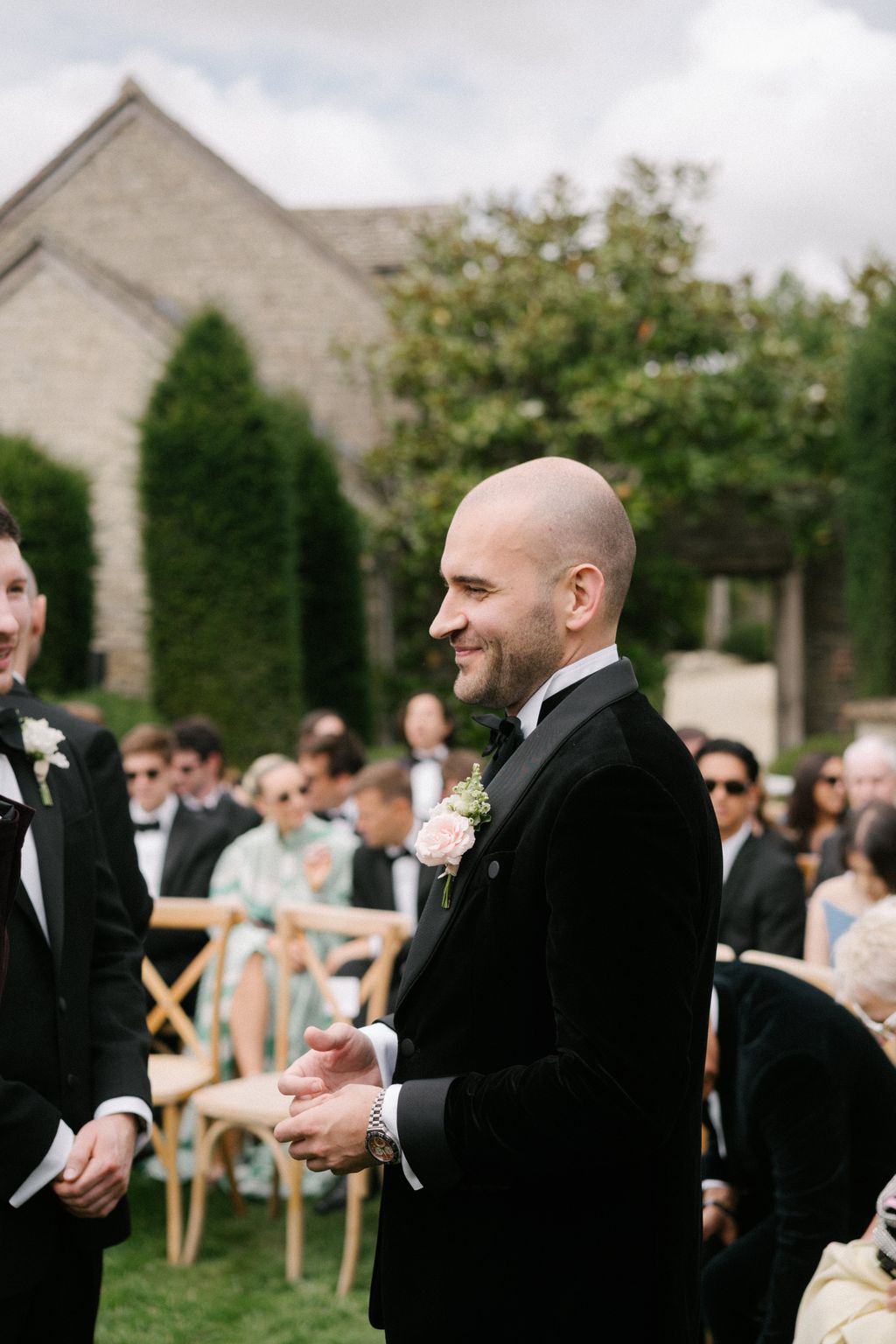
“Hearing the vows Babak and I had written for each other – words we’ll carry for the rest of our lives – was a moment of pure stillness,” she adds. “When I looked across at him during the vows, I felt the world quiet around us. It was as if all the noise, all the movement, paused – and all that existed was us, our promises, and the love we had built.”
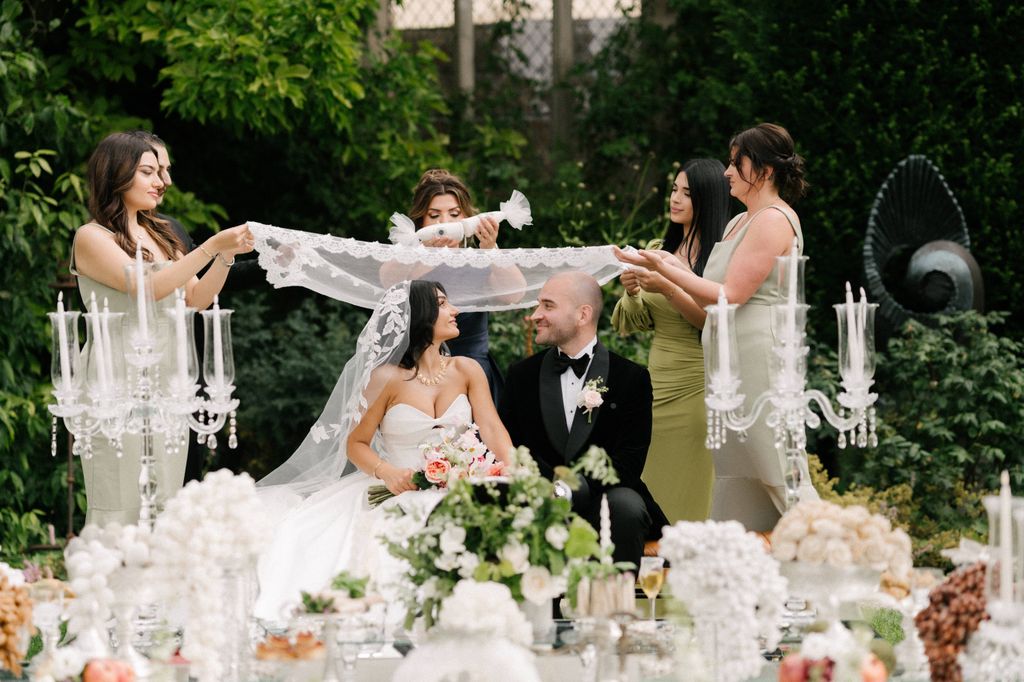
Aylar and Babak celebrated both Persian and English ceremonies, held back-to-back on the same day. The Sofreh Aghd is the heart of any Persian wedding. Unlike the English ceremony, where they faced one another, here they sat together, looking out at their guests. The spread carried symbols of sweetness, light, and prosperity, while heirlooms from Aylar’s family added deeper meaning – a treasured Hafez poetry book, reminders of home, and tokens of love.
For the unversed, the Sofreh Aghd refers to the traditional Persian wedding ceremony with symbolic items to bless the newlywed couple. There would be a large, white tablecloth to form a sacred space for the union, often adorned with elaborate linens featuring gold, silver, lace and silk embellishments. “I can’t begin to describe how special that moment is when you sit down together and face your guests and take a moment to look at all of their loving faces looking back at you. It was a moment that made us feel so present. Sitting before it, surrounded by symbols of sweetness, light, and prosperity, I felt deeply connected to my heritage and to generations before me,” Aylar shares.
No longer second-best, the rise of second-hand wedding dresses is rewriting the bridal code of individuality, sustainability, and couture excess
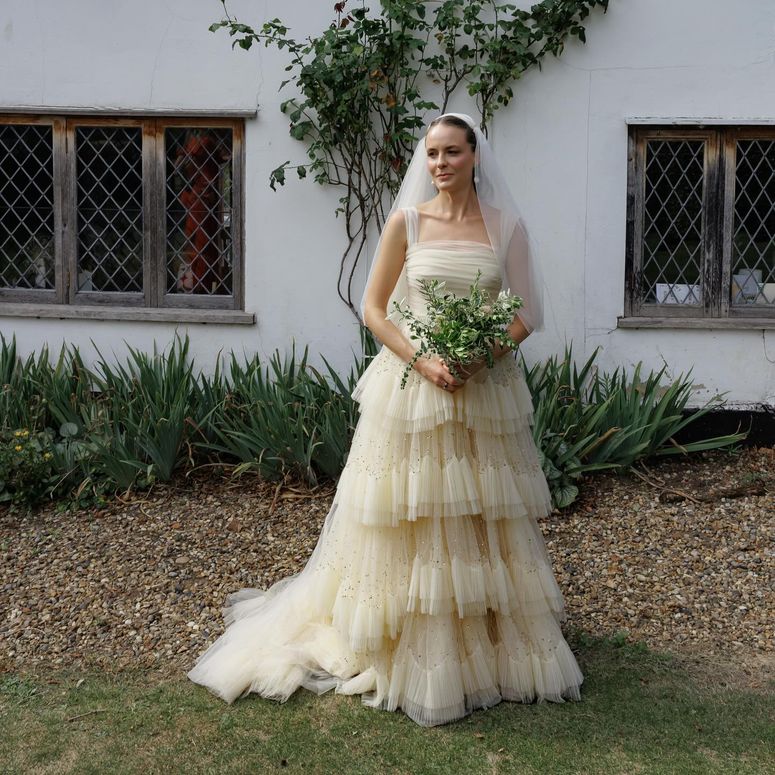
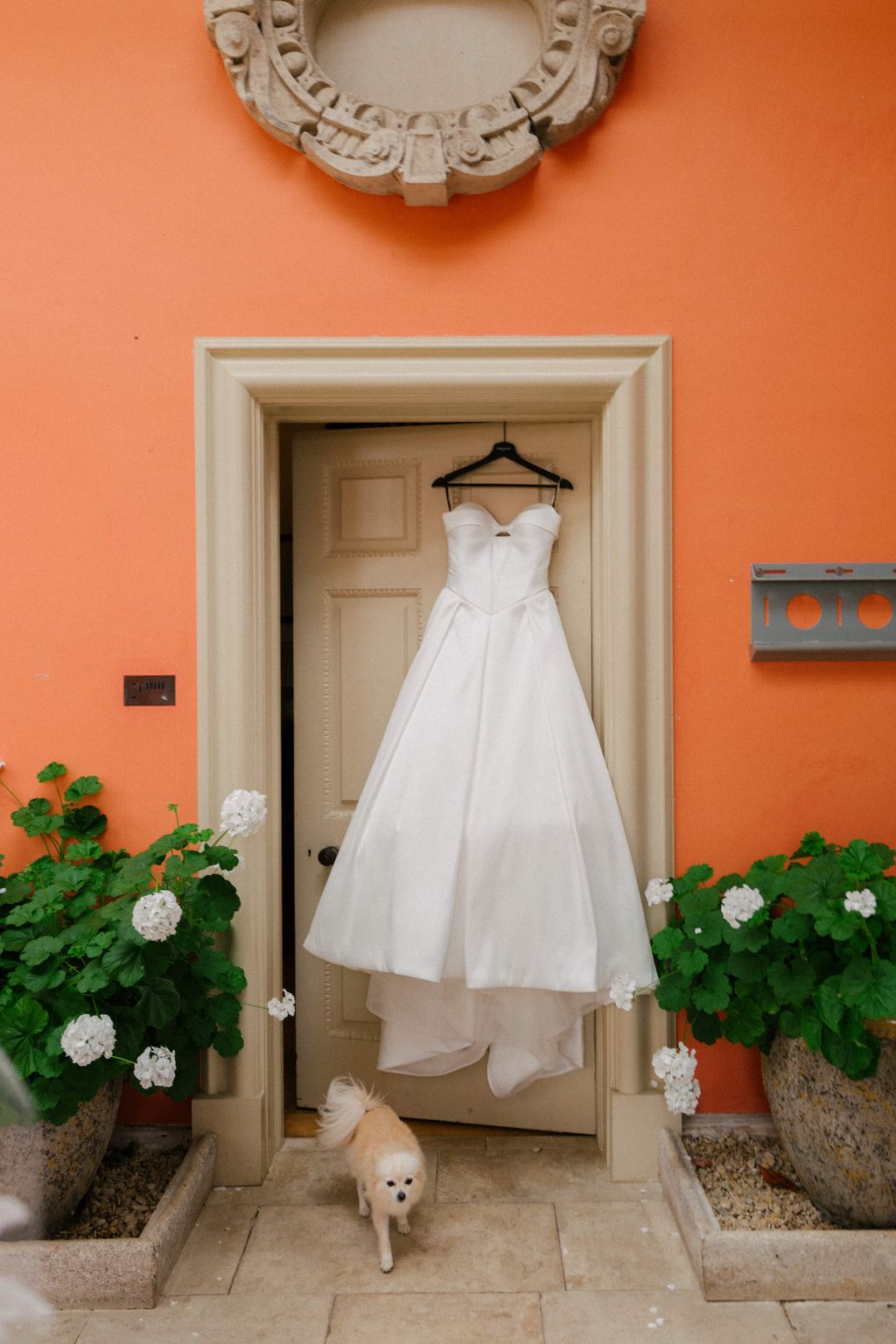
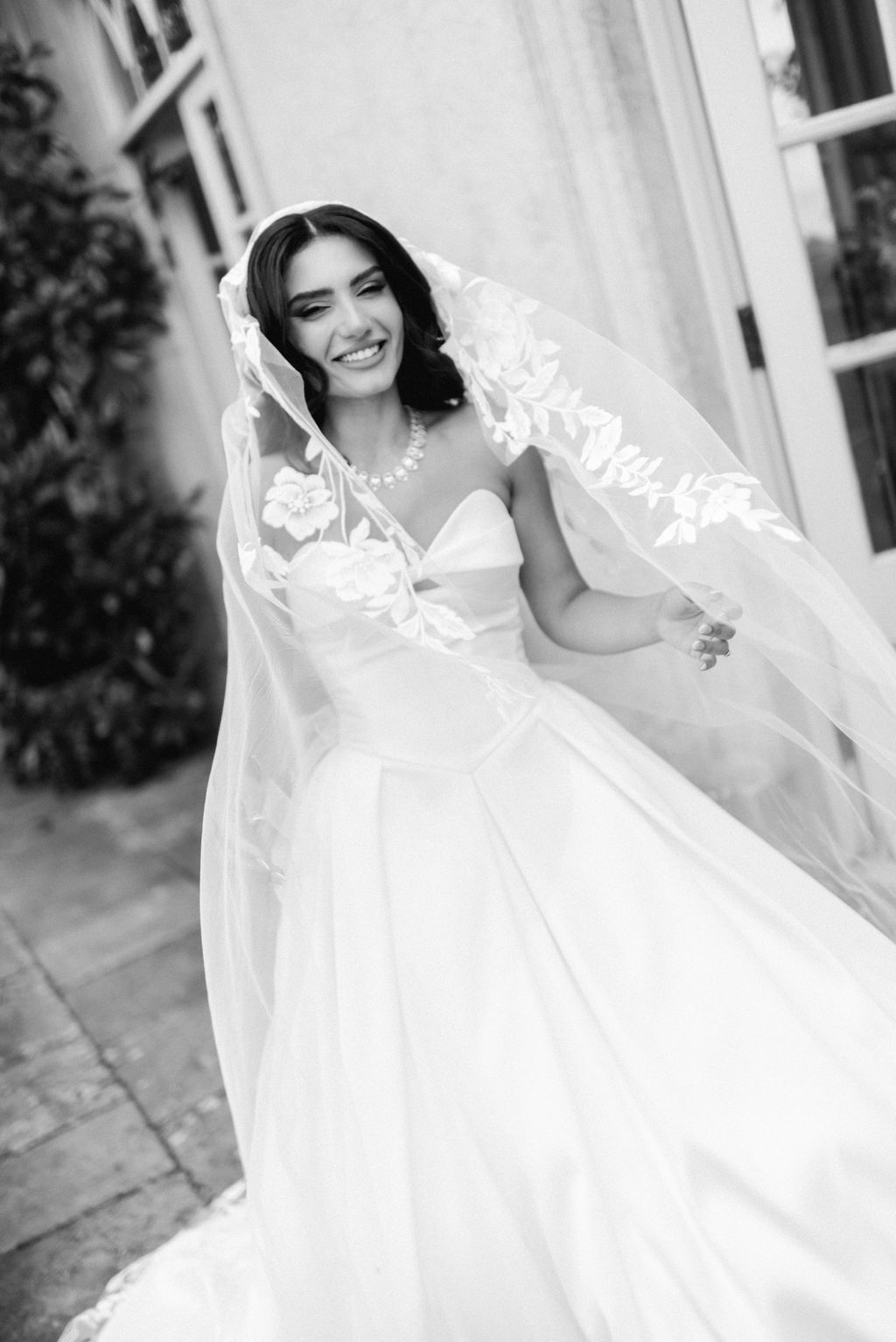
Fashion and identity have always walked hand in hand, and Aylar wanted a look that honoured both her British and Persian roots. Her bridal style had to speak to both ceremonies while remaining timeless. The answer was a Vera Wang gown – a piece she calls ‘poetry in fabric.’ “It was the kind of dress you can only wear once in a lifetime. It felt timeless and romantic, yet simple enough to let the emotions of the day shine,” she says.
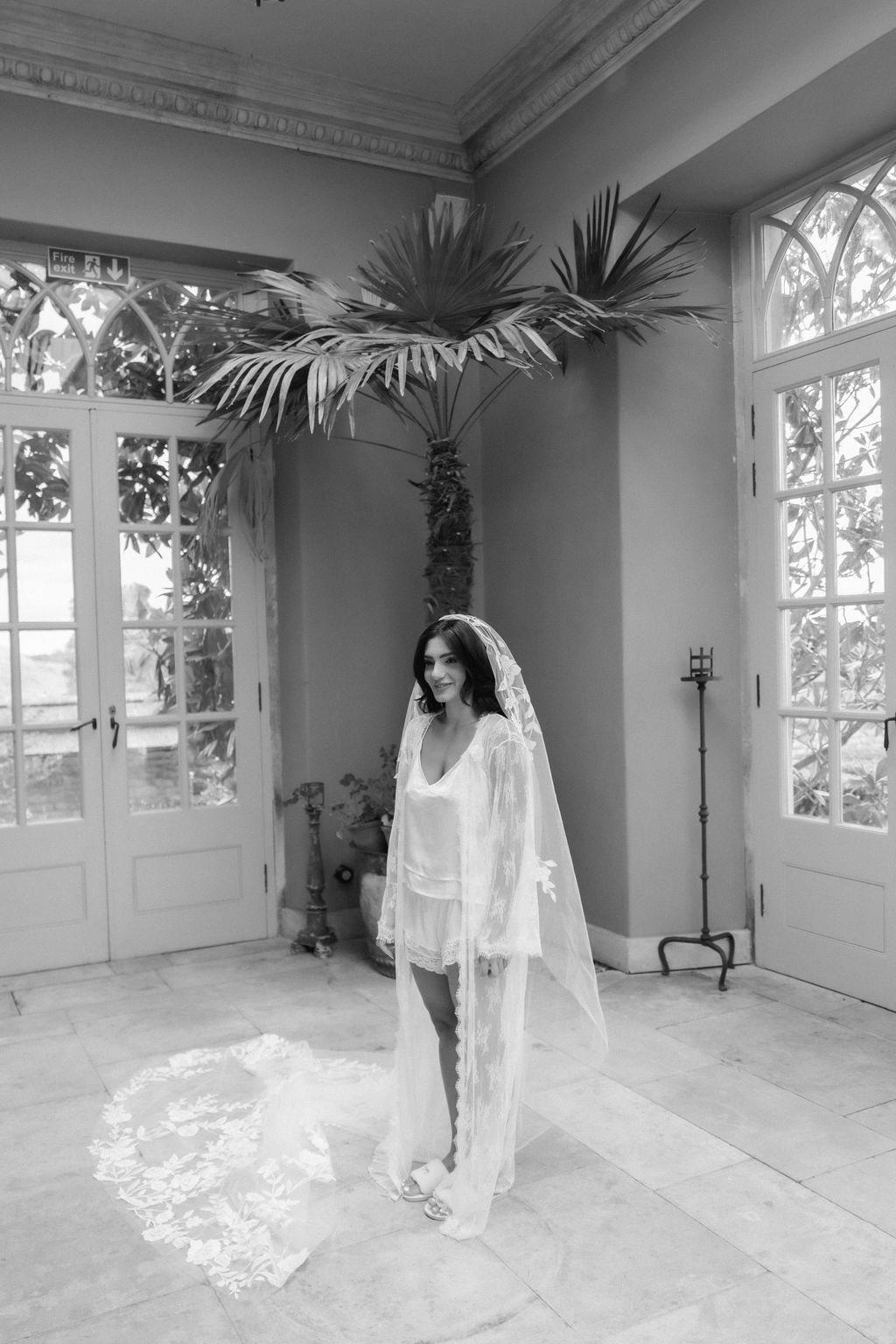
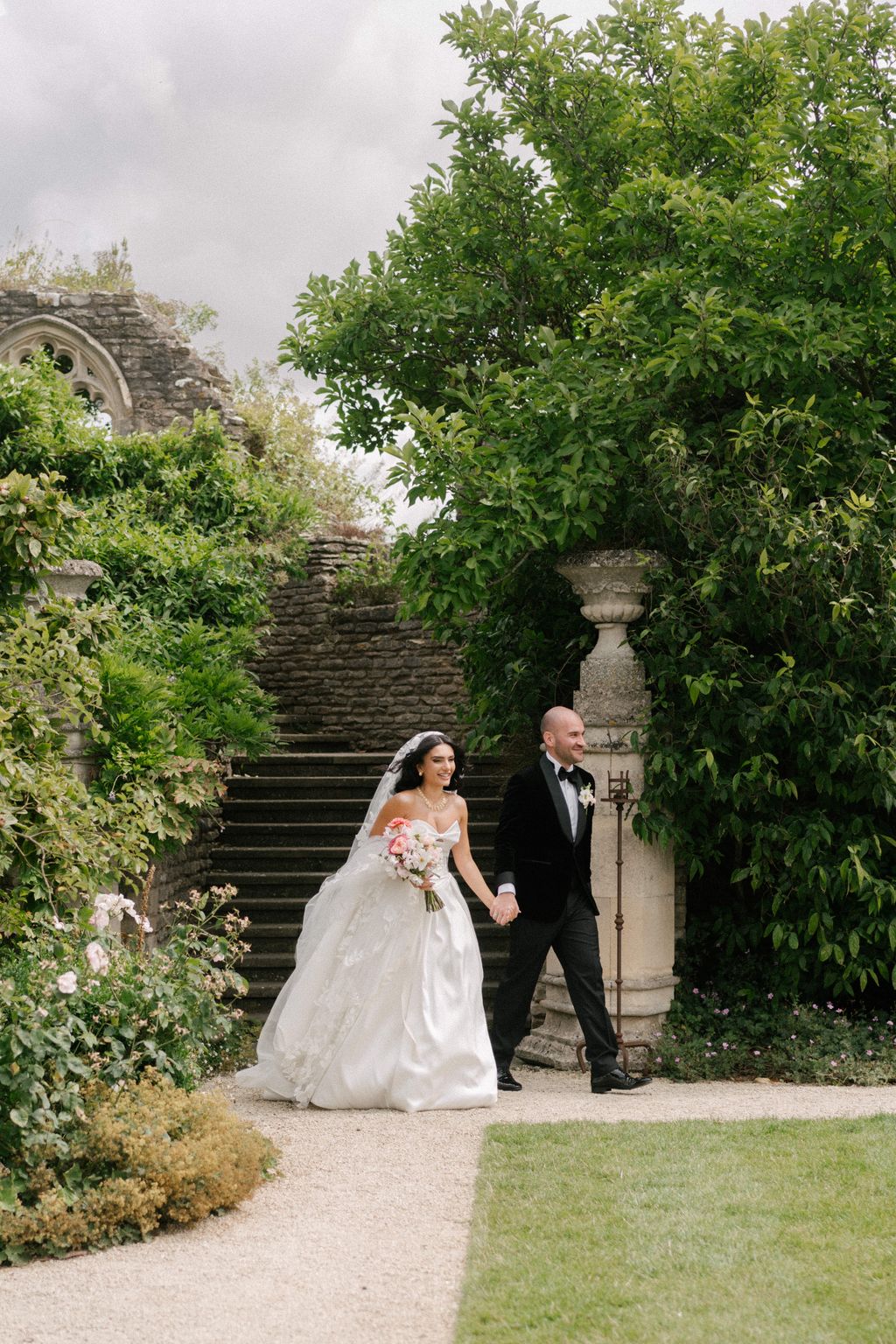
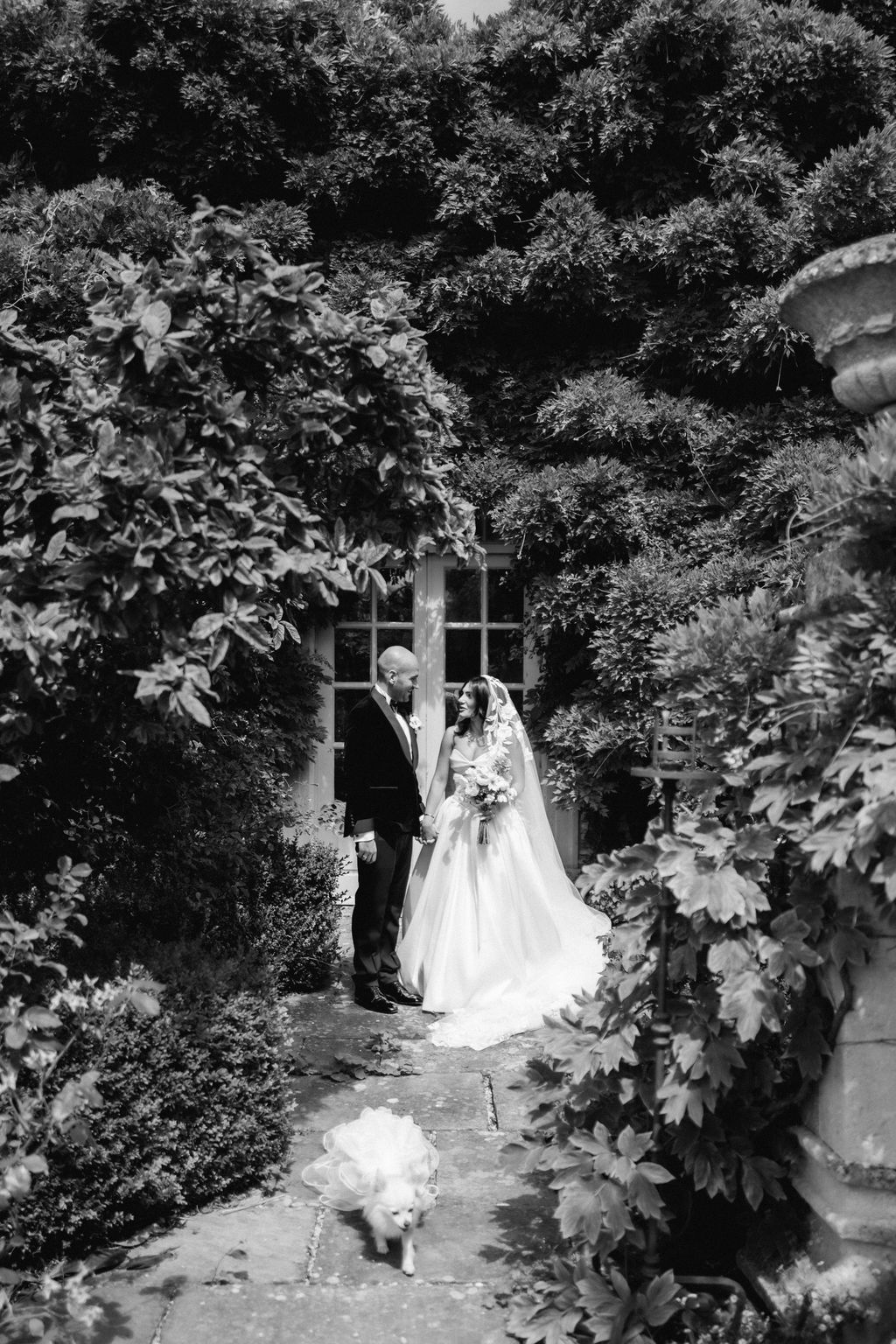
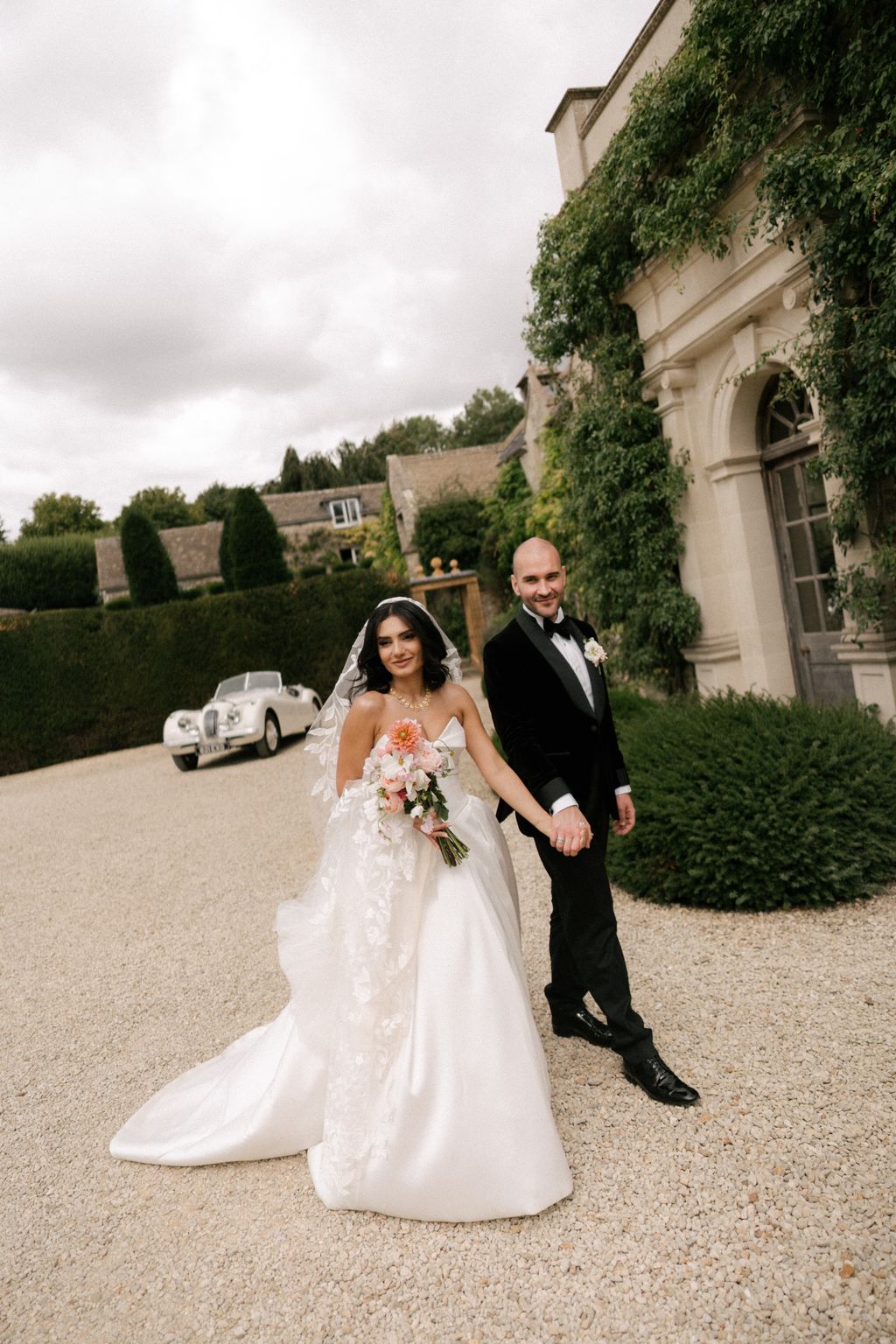
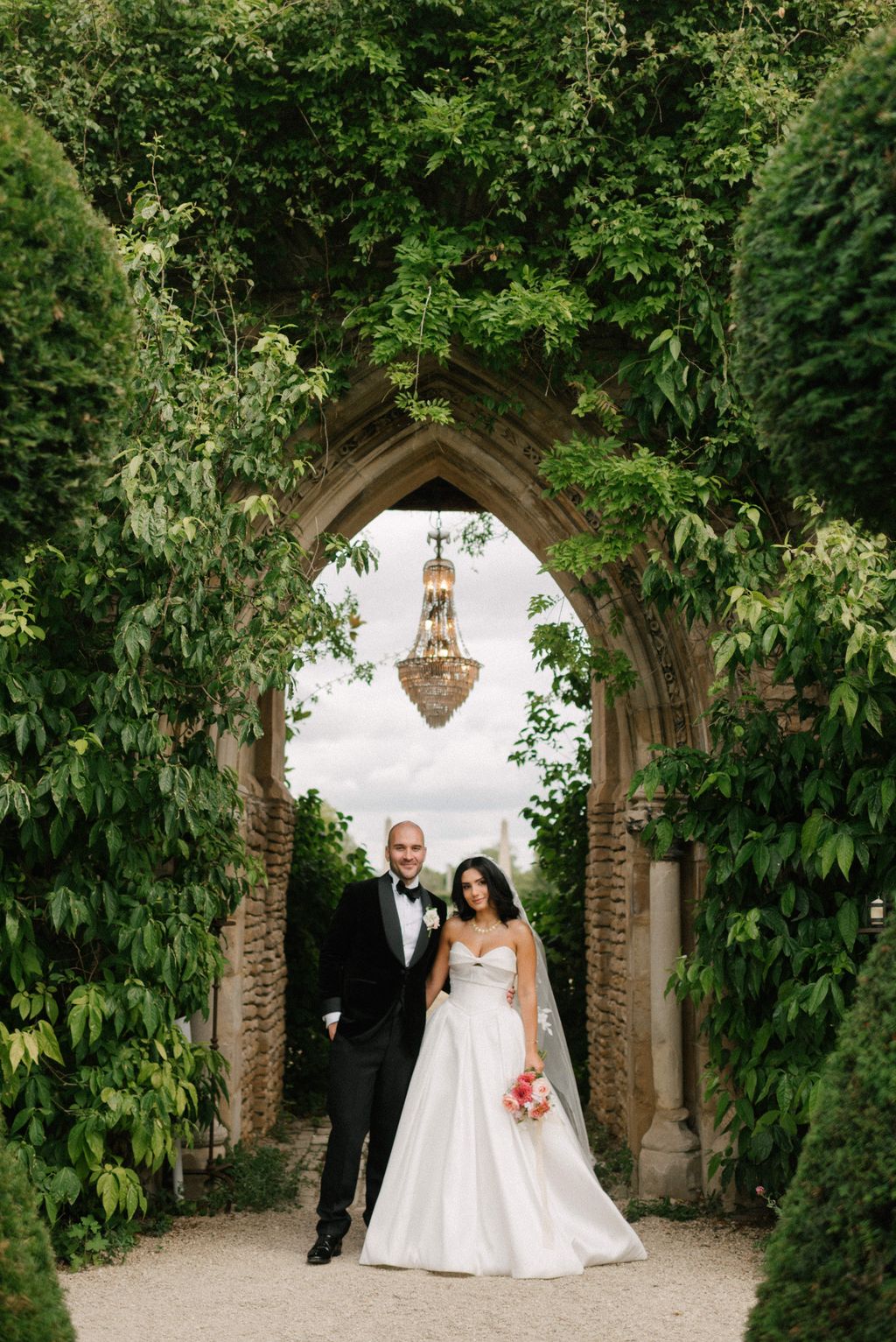
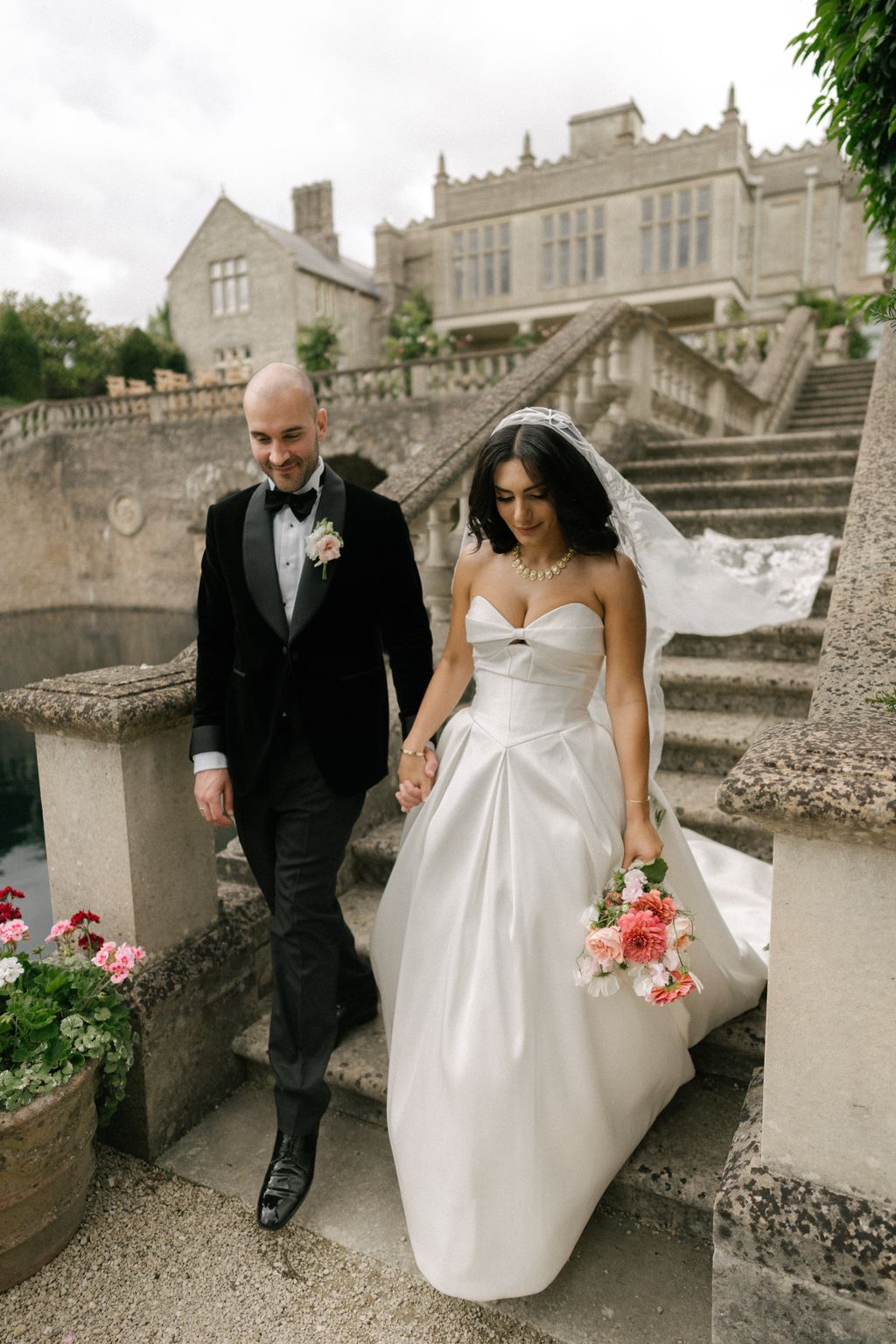
Aylar’s bridal look was a study in timeless romance. She chose a strapless Vera Wang gown in luminous white satin, its clean lines and sweeping skirt exuding architectural grace. The structured bodice of the gown, paired with a simple strand of pearls and a bouquet of vibrant blooms, played beautifully against the gown’s quiet elegance. To infuse her Persian heritage, she paired it with a veil delicately embroidered with floral motifs, whispering of her Persian heritage and adding a poetic layer to the look.
“For me, it was about balance: feeling like a bride in the most traditional sense, but also feeling like myself. It was important to me that my look bridged both worlds: modern and classic, East and West, intimate and grand,” she shares.
For Aylar and Babak, friendship and family have always been at the heart of their story. It was only natural that their intimate wedding became an extension of those closest bonds. “We wanted the wedding to feel like love made tangible – warm, joyful, and deeply personal,” Aylar reflects.
As for her advice to couples planning a multicultural wedding? “Lean into the richness of both cultures and don’t feel pressure to 'choose.’ The beauty of blending traditions is that you’re creating something uniquely yours,” she says.
 1/25
1/25Photo: The Shannons
 2/25
2/25Photo: The Shannons
 The Shannons3/25
Photo: The Shannons


 4/25
4/25Photo: The Shannons


 6/25
6/25Photo: The Shannons
 7/25
7/25Photo: The Shannons


 8/25
8/25Photo: The Shannons
 9/25
9/25Photo: The Shannons


 10/25
10/25Photo: The Shannons
 11/25
11/25Photo: The Shannons


 12/25
12/25Photo: The Shannons


 14/25
14/25Photo: The Shannons
 15/25
15/25Photo: The Shannons


 16/25
16/25Photo: The Shannons
 17/25
17/25Photo: The Shannons


 18/25
18/25Photo: The Shannons
 19/25
19/25Photo: The Shannons


 20/25
20/25Photo: The Shannons


 22/25
22/25Photo: The Shannons
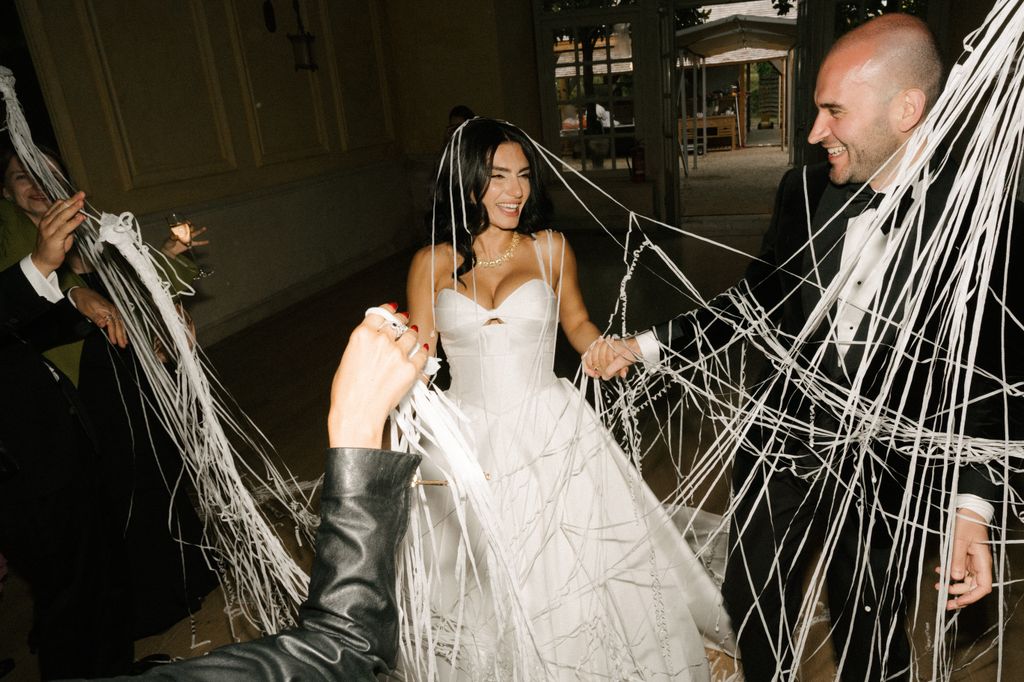 23/25
23/25Photo: The Shannons


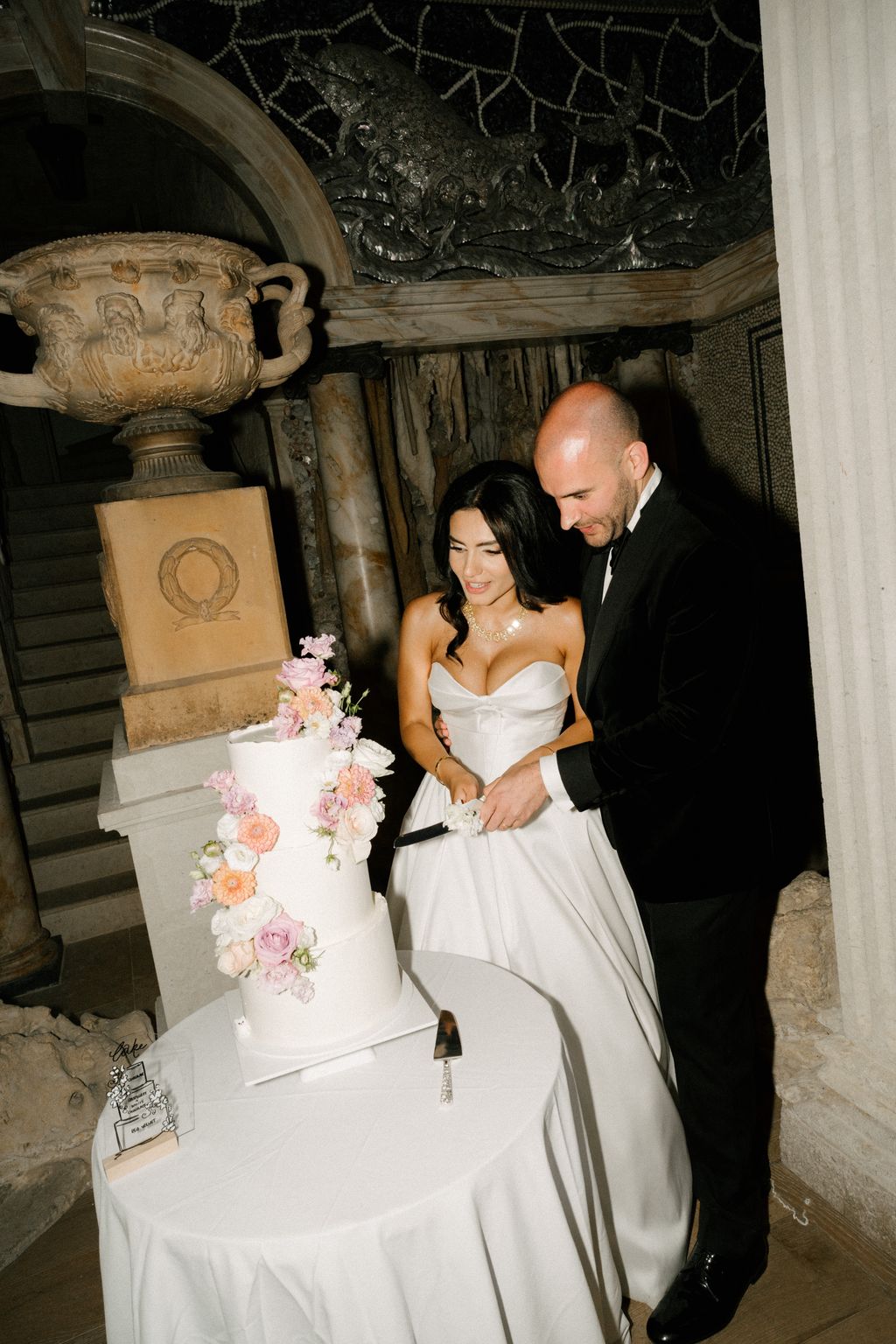 24/25
24/25Photo: The Shannons
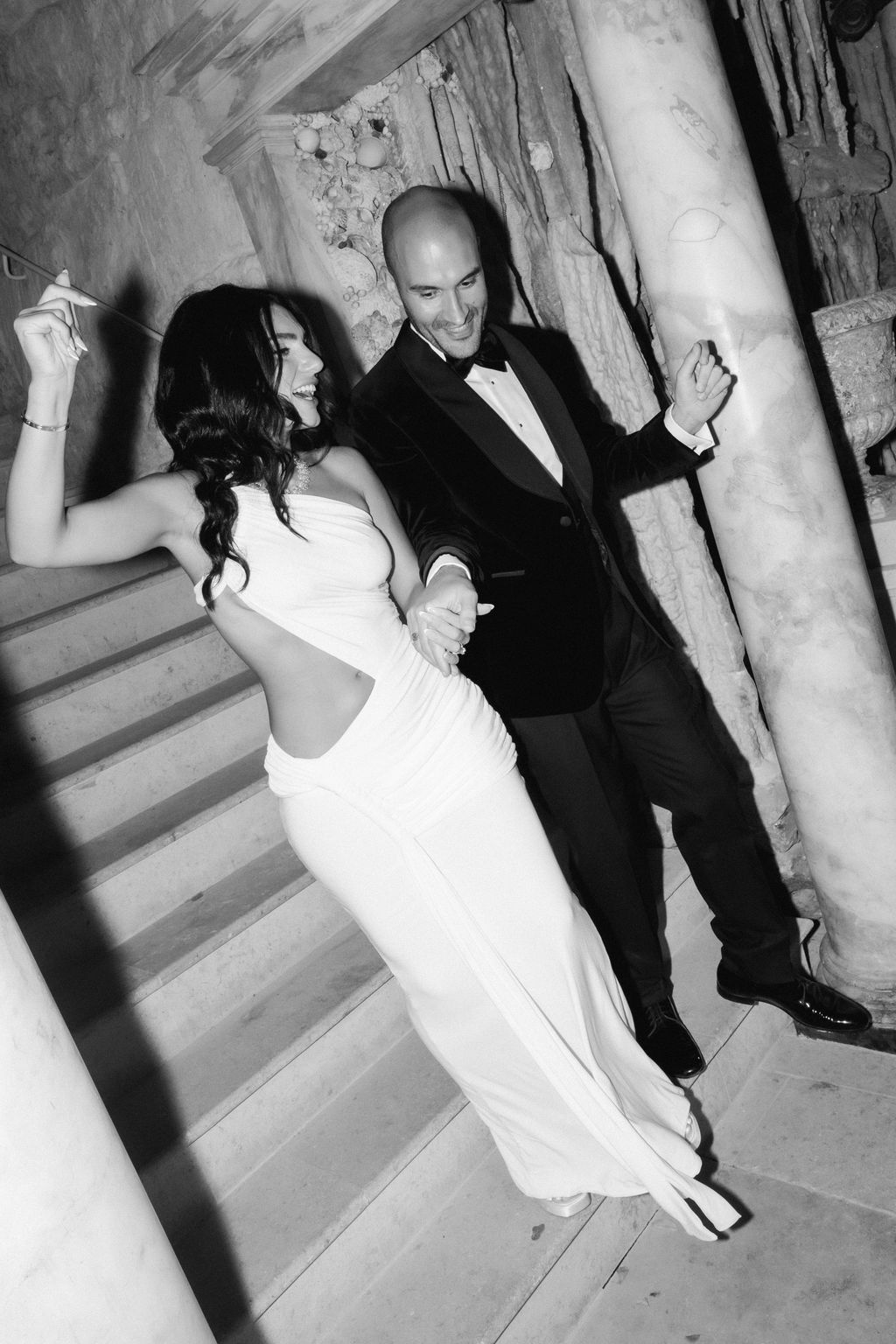 25/25
25/25Photo: The Shannons


-2.jpg)
.jpg)