


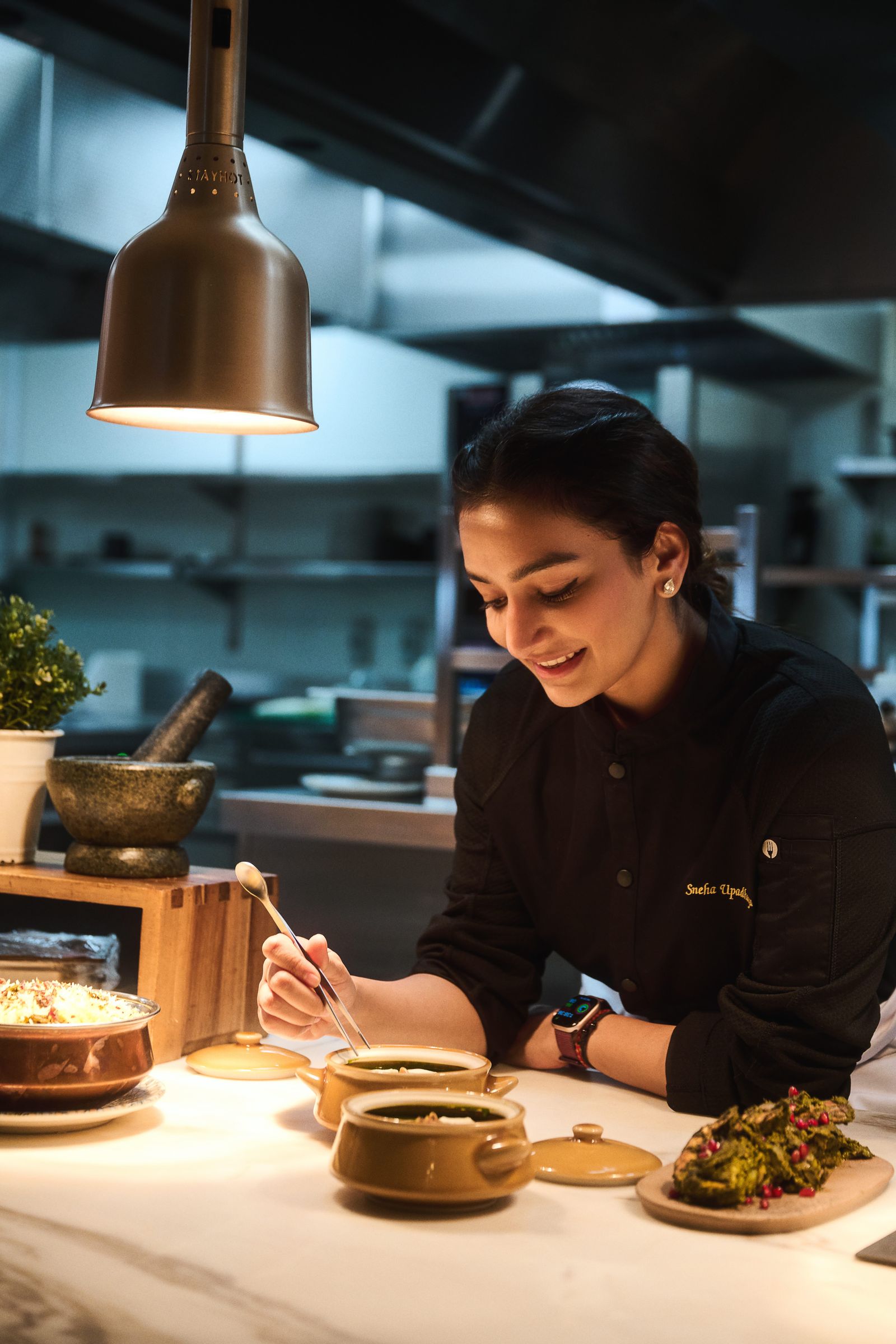
There are deserts in Rajasthan and deserts in the UAE, but anyone who has stood in both knows they are worlds apart. The people who have lived on each land, the rhythm of daily life and the culture that has shaped their identities could not be more different. That contrast has rarely been explored side by side, not until Chef Sneha Singhi Upadhaya decided to bring a taste of Rajasthan to Bab Al Shams. Her new pop up (launched on November 1, 2025) is named RAIT, which translates to sand in Hindi, and suddenly the idea of two deserts speaking to each other through food makes perfect sense.
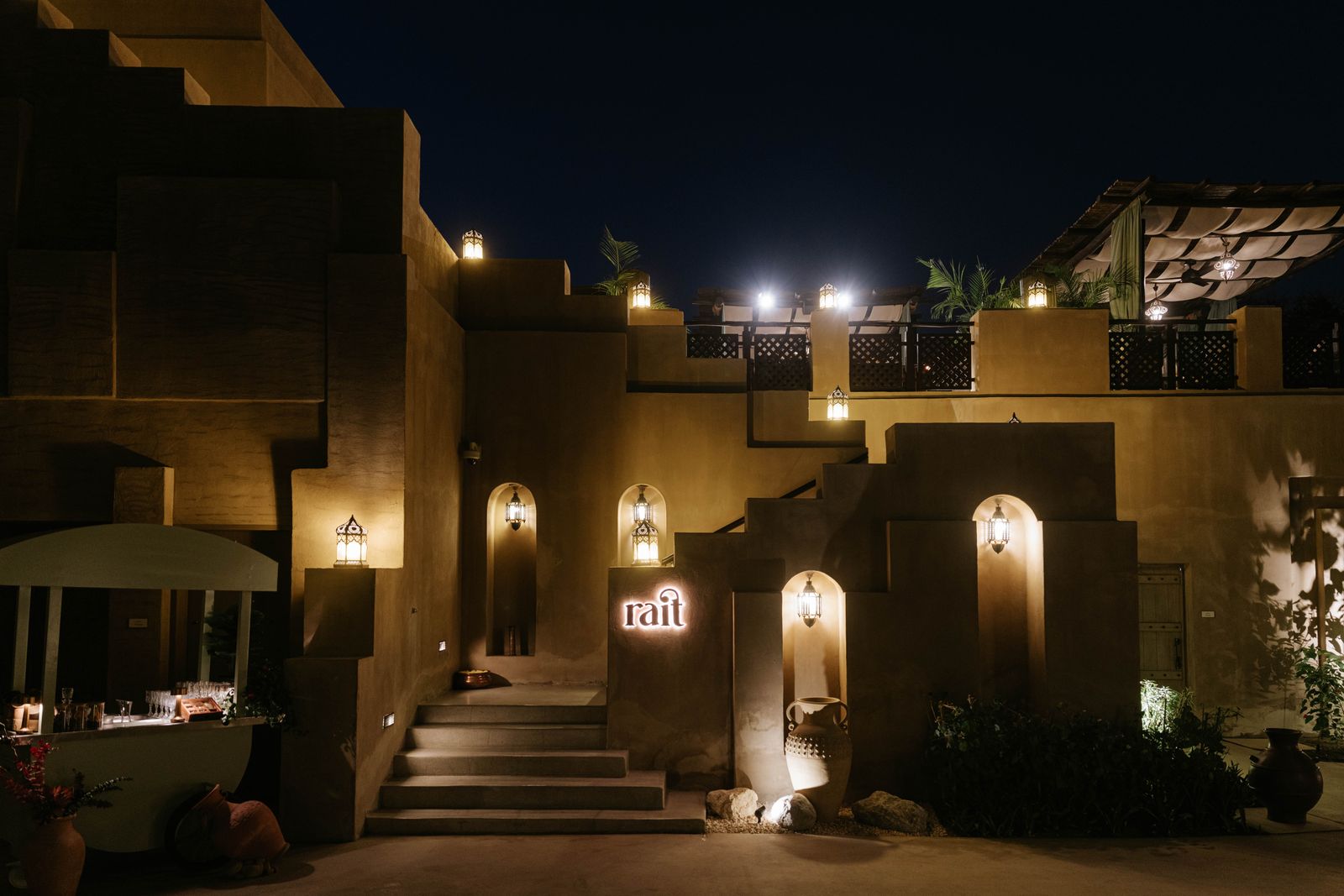
RAIT marks Chef Sneha’s Dubai debut, and it feels like exactly the kind of introduction the city has been waiting for. She has built her reputation modernising regional Indian cuisine, giving traditional dishes new clarity without losing the memories they hold. With RAIT, she brings a burst of flavour from Rajasthan to the UAE, where depth and nuance are not only appreciated, they are encouraged.
Bab Al Shams has always had a quiet love story with Indian cuisine. Now, that story is being revived with intention. As Jacques Le Roux, General Manager of Bab Al Shms, puts it, “Indian cuisine has always been a cherished part of Bab Al Shams’ story. With RAIT, we wanted to revive that legacy in a way that feels both refined and authentic, a celebration of flavour, nostalgia, and creativity. Chef Sneha’s inspired vision brings a new energy to this heritage, and we’re delighted to see it unfold beneath our desert skies”
For Chef Sneha, RAIT is something deeply personal. “RAIT is my interpretation of a homecoming,” she says. “I am thrilled to be collaborating with Kerzner and Bab Al Shams to bring this vision to life, where tradition and creativity come together in a truly special way. Each dish draws from the flavours and memories that shaped my childhood, and it is a joy to share them with guests from all over the world within such an inspiring desert landmark.”
Indian food is anything but quaint. It is loud, hearty and unapologetically generous. It fills your heart before it fills your stomach. That is why there is something instantly charming about the way Chef Sneha has taken the dishes many of us grew up with and given them a thoughtful, almost gourmet lift. They still feel familiar, but the finesse is unmistakable.
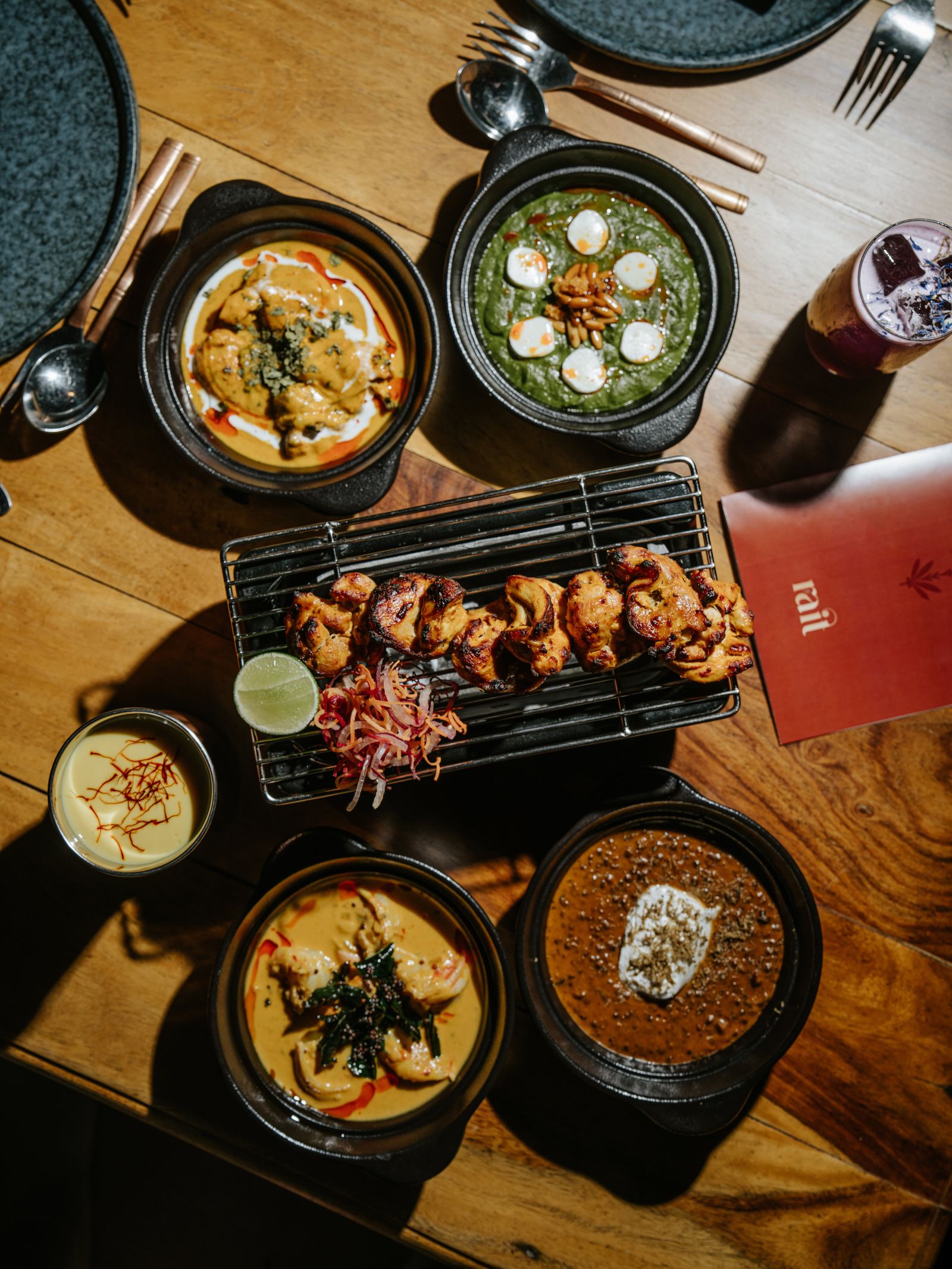
On a cool UAE winter night, there is nothing quite like diving into a bowl of Dilli 6 Butter Chicken or tasting a Lucknow style seekh kebab while you sit surrounded by the desert’s quiet luxury. It is nostalgic, but dressed with intention. Comfort, but with a sense of eloquence. She has managed to design a menu that respects the boldness of Indian cooking while presenting it with a kind of tasteful elegance that does not dilute its character.
Some dishes spark immediate memories. The Mini Pav Bhaji, the Bhutte Ka Khees, the Sweet Potato Keema Fries. They remind you of crowded streets and late night cravings, yet here they arrive with a polish that makes you pause before taking the first bite. Then there are the grills that smoke and sizzle like they have stories of their own. Angaara Murgh Tikka, Lucknawi Gosht Seekh and Goan Cafreal Jhinga carry the depth of spice that Indian food never shies away from.
By the time the mains arrive, the table starts to feel like home. The 24 Hour Kali Dal Makhni is rich enough to linger on its own. The biryanis move from Calcutta inspired flavours to Awadhi notes with the kind of fragrance that demands silence for a second. Even the Blue Cheese Naan plays into the idea that tradition can bend a little without breaking.
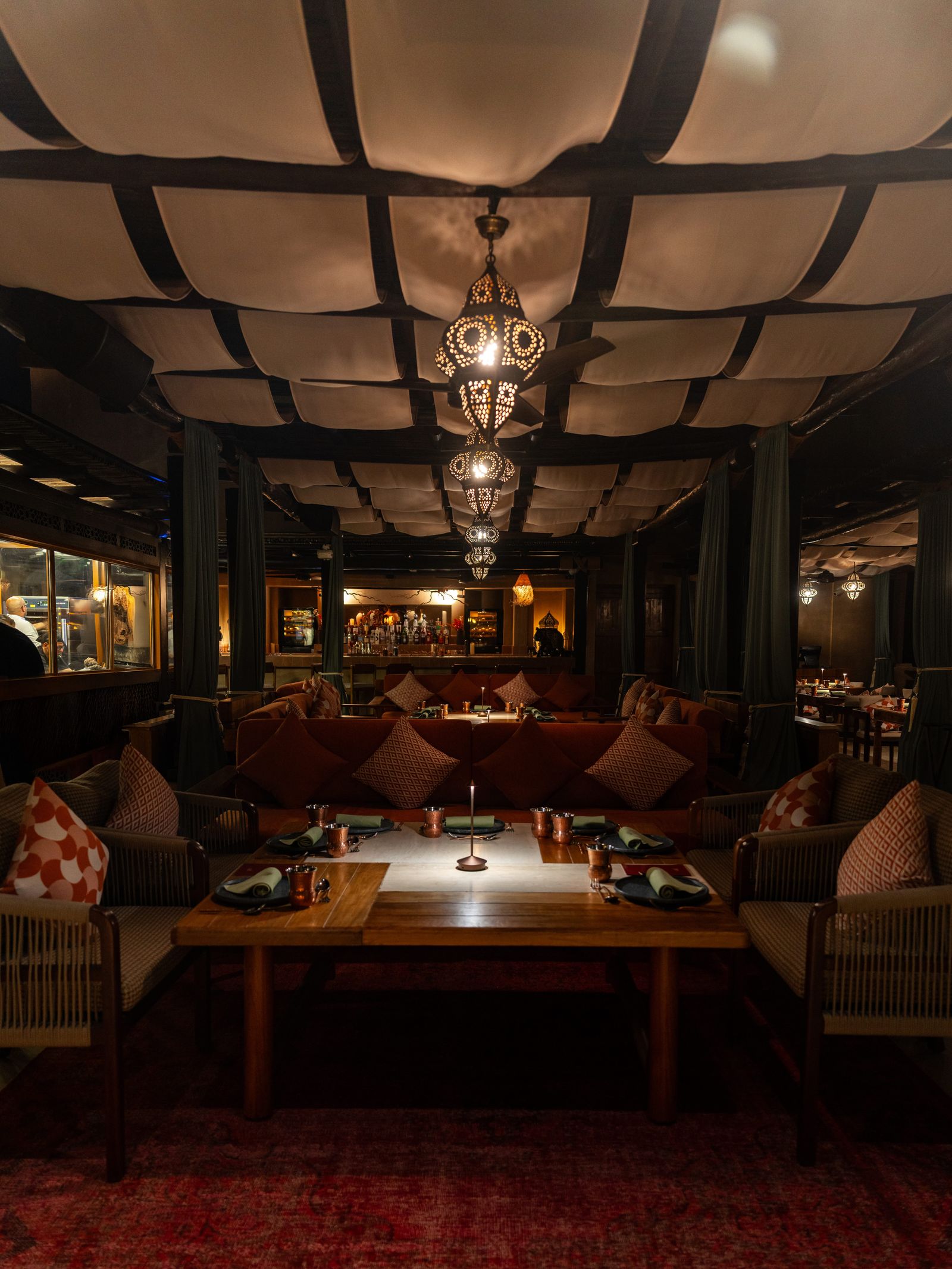
The setting ties it all together. The textures, the earthy tones, the handcrafted details and the glow of Bab Al Shams at night work in quiet harmony. It is the sort of place where you share plates slowly and conversations stretch out naturally. The food does not compete with the landscape. It belongs to it.

.jpg)

