


The Arab region has provided the world with advancements in mathematics and science, influenced cuisines, and enriched languages and cultures. However, a key aspect that the Arab world has influenced, which often goes unrecognised, is architecture and design. Hotels have embraced the beauty of Arabesque designs and have incorporated them into their own culture. The next time you travel, look at the buildings and designs around you. Have they been influenced by the Arabs? Below is a list of hotels that pay homage to the Arab world.
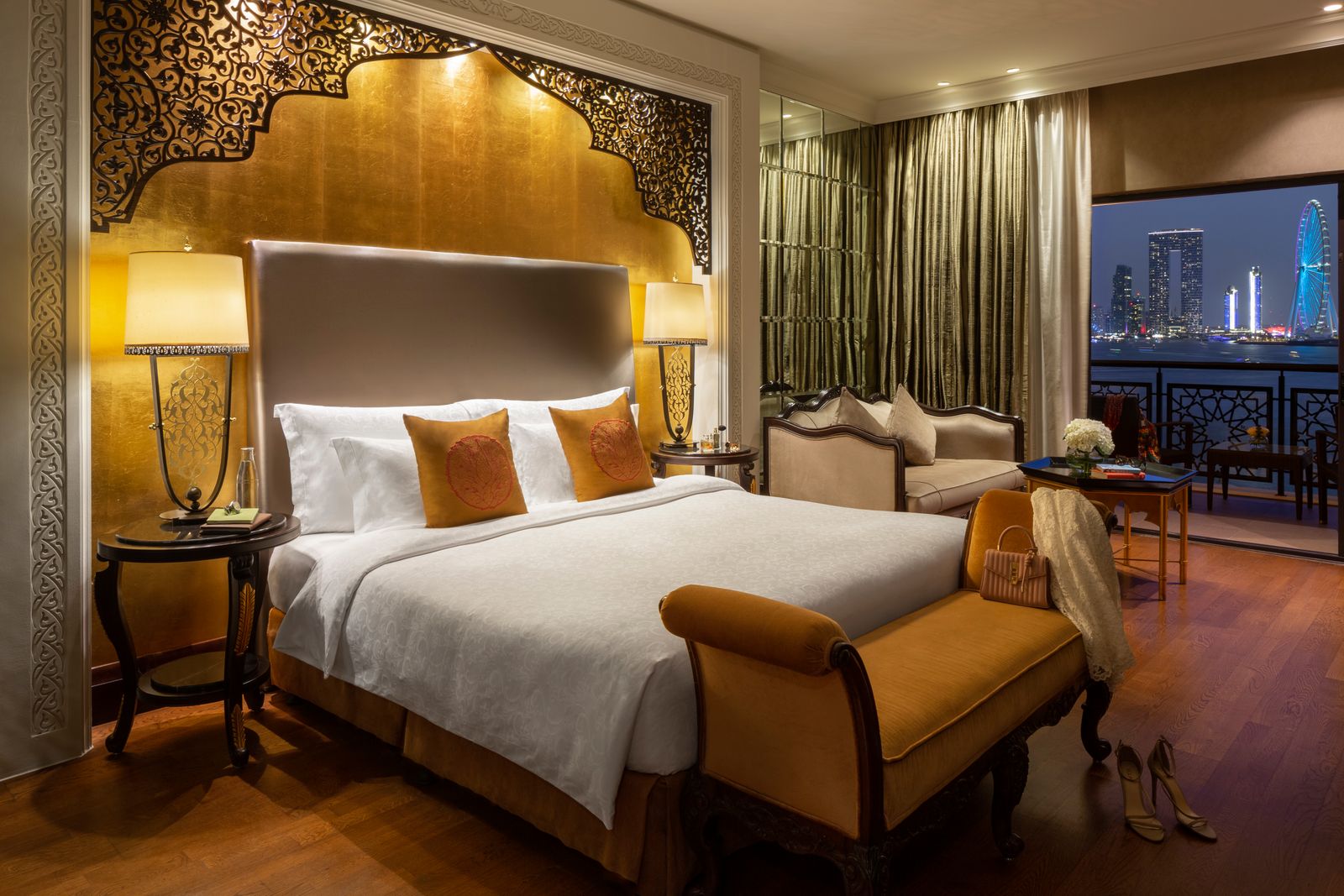
Jumeirah Zabeel Saray’s grandiose structure sits along the West Crescent of Palm Jumeirah; its architecture and design pay homage to Arab culture. The hotel’s architecture and design were heavily influenced by the Ottoman Empire, a culmination of architectural traditions from the Middle East, North Africa, and the Mediterranean. While the exterior of the hotel was inspired by the city of Istanbul, the interior showcases intricate woodwork designs, arched entryways, and golds and browns that are very indicative of the colours of the Arab world’s natural landscapes. It took a team of 45 interior designers to successfully complete the vision for the resort. Upon entering, an evil eye can be spotted over the main entrance, symbolising protection, and the water fountain at the lobby entrance is designed in the shape of an Islamic star. The design of the opulent rooms features iconic Arab styles, and all have views of the sea of Palm Jumeirah. All bathrooms have sunken marble tubs with hand-painted domes on the ceiling. The Talise Ottoman Spa is the resort’s most significant display of Arab design and is most known for its Turkish hammam. To make a reservation, click here.
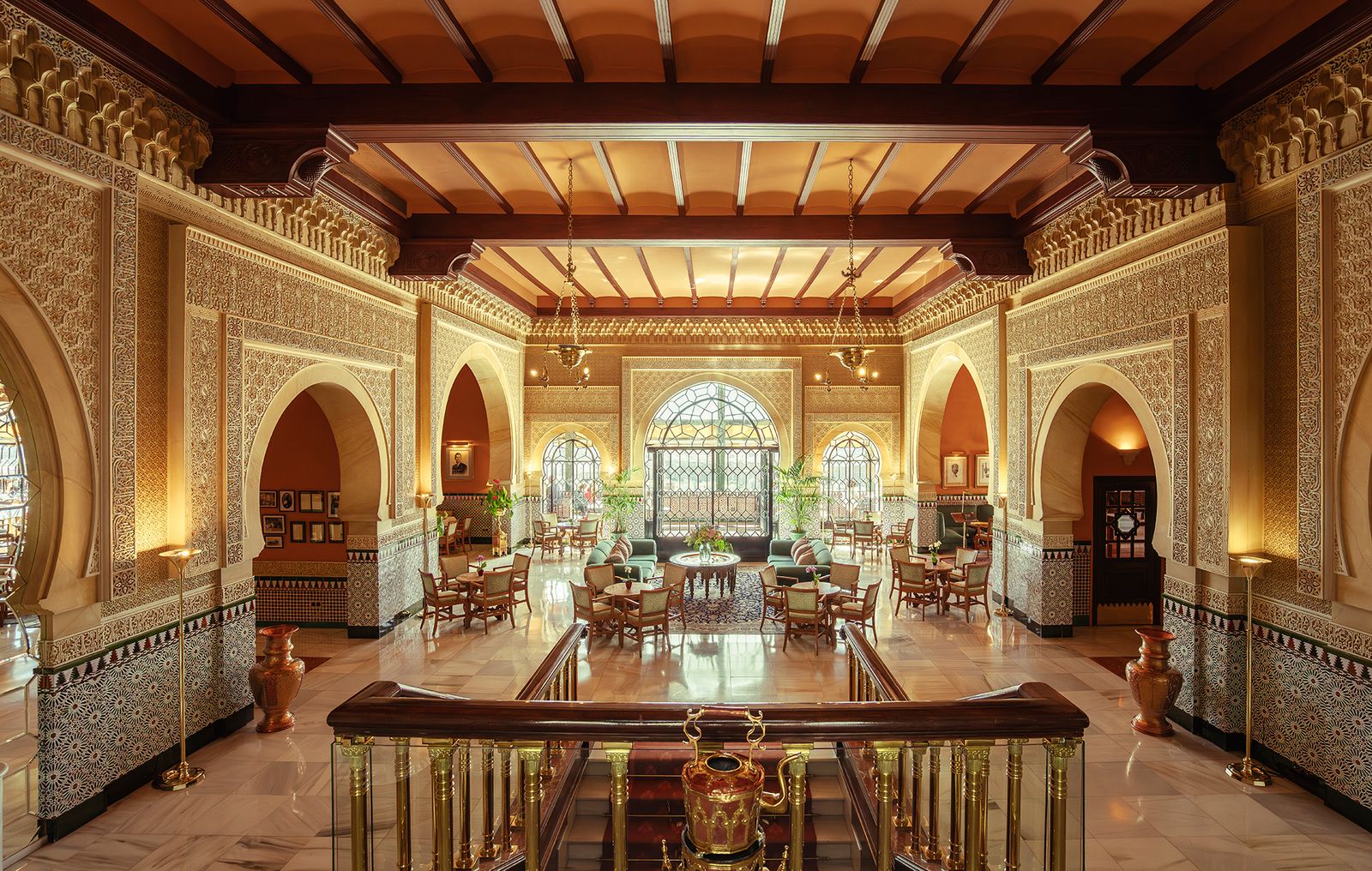
Overlooking the breathtaking city of Granada and a short walk to the royal palaces of Alhambra, travellers will find Hotel Alhambra Palace, a hotel of beautiful ornamentation and design. The hotels’ Neo-Nasrid style, one that consists of colorful tilework, geometric shapes, arches, and Arabic inscriptions, can be seen throughout every inch of the hotel. Built in 1910 and inspired by the Nasrid Palace, the hotel is adorned with mosaics, muqarnas (a honeycomb-like shape and design), and coffered ceilings. Rooms are embellished with ornate plasterwork, copper accents, Nasrid latticework, and intricate tiles. The spectacular hotel does not fall short of grandeur, having hosted several members of royalty, celebrities, and actors. To make a reservation, click here.
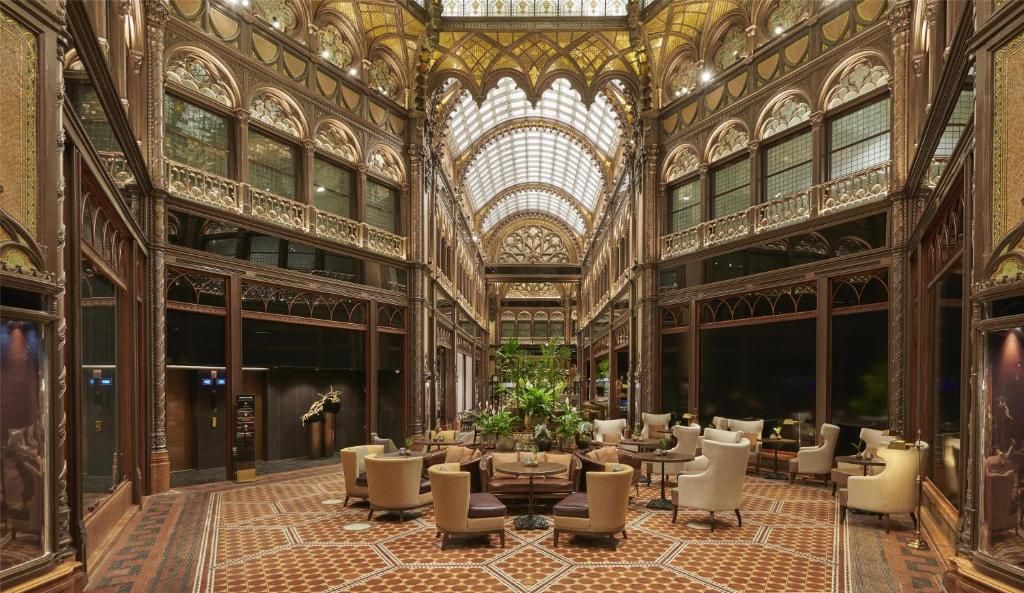
This Unbound Collection by Hyatt hotel blends history, luxury, and design in the heart of the city. Located within minutes of the Danube River, St. Stephen’s Basilica, and the Great Market, the 19th-century building was once a luxury shopping arcade and today is a heritage-protected building. The Párisi Udvar Hotel Budapest is a work of art blending Moorish, Oriental, Neo-Gothic, and Art Nouveau influences, creating a feeling of both regality and exoticness. Its façade is adorned with colourful Zsolnay ceramics and stained glass, paying homage to its Hungarian history, while the interiors display intricate latticework, a nod to Arabesque patterns, and the domed lobby is inspired by European palaces. This hotel offers guests timeless charm and architecture and design that bridges East and West. To make a reservation, click here.
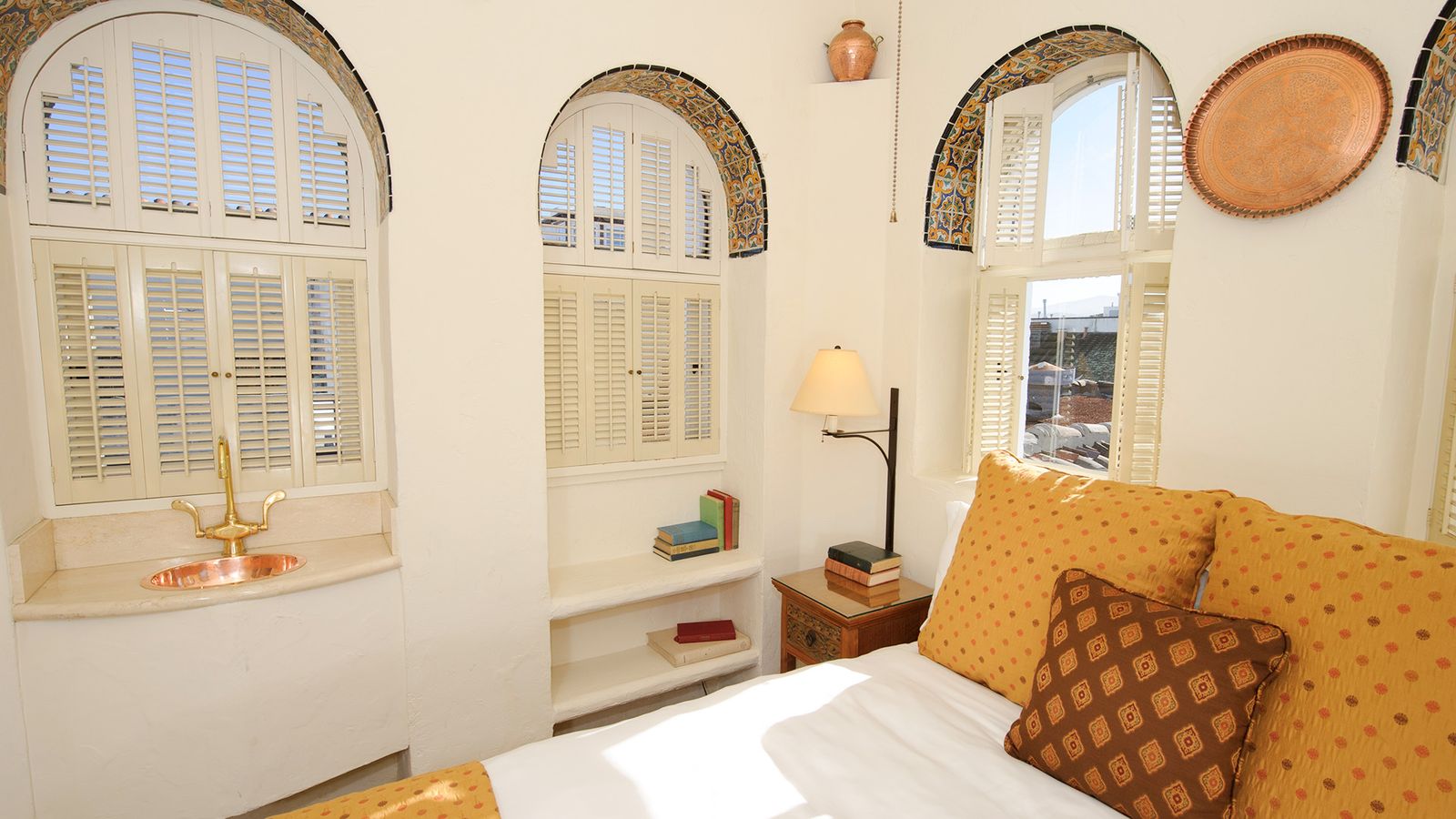
Cypress Inn is a boutique hotel that blends Old Hollywood with Moroccan style. Built in 1929 in a Spanish-revival style with Moroccan influences such as arches and iron details, the hotel has become an iconic landmark for the area. In 2013, designer Julie Gardner renovated the design of the hotel to seamlessly create Morocco-meets-Hollywood glam even more so by featuring hues of ginger, paprika, and clove alongside hancrafted tiles and alabaster lighting. A tent-like feel was also added to the front area, emphasising the Moroccan spirit of the hotel. Today, the hotel attracts creatives and story-driven individuals seeking ageless beauty. To make a reservation, click here.
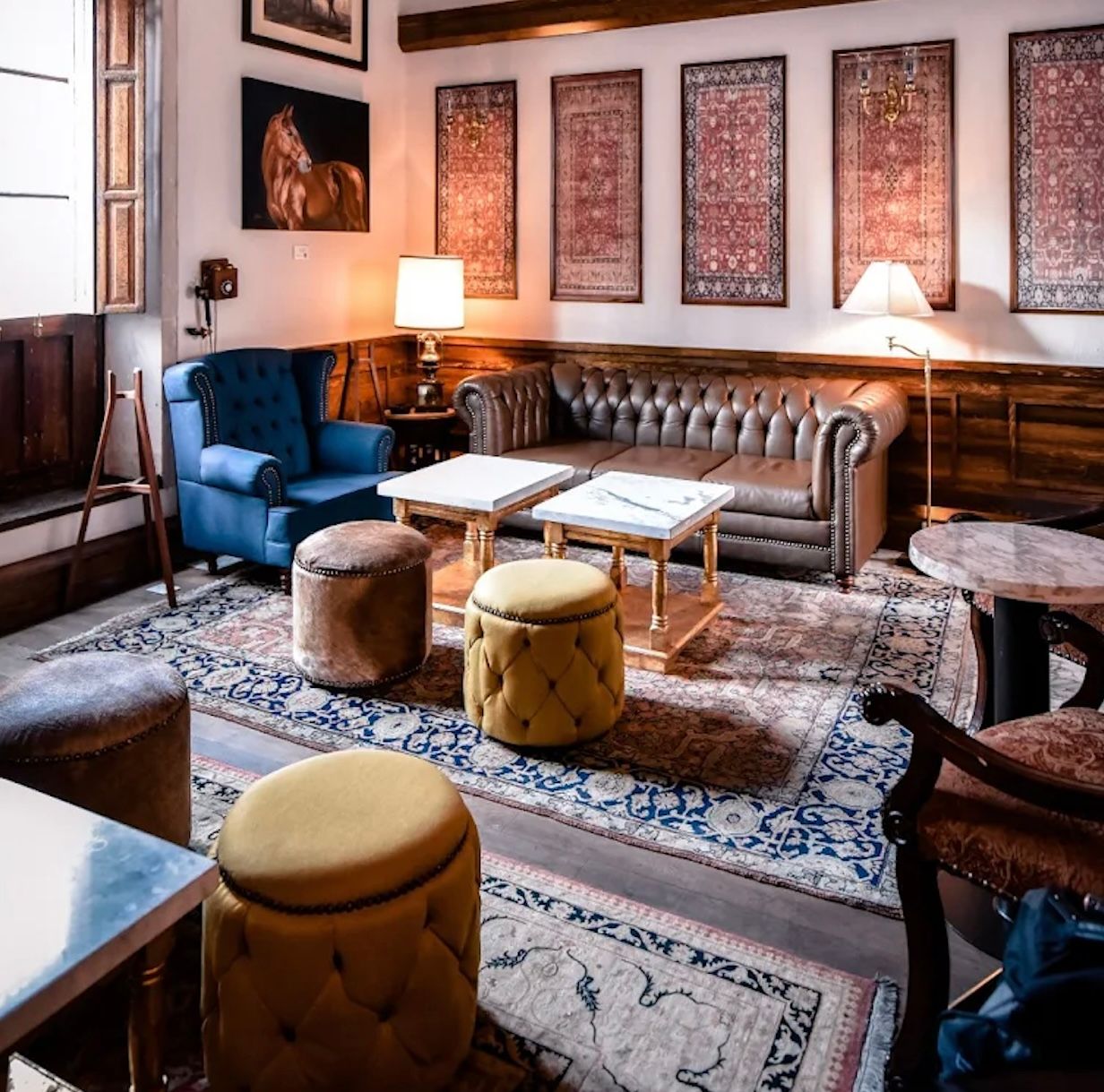
Central Hotel Boutique is housed in a restored 19th-century mansion in the heart of Chihuahua’s historic centre. The building maintains the charm of its original design that speaks to the city’s architectural heritage, while giving a nod to Arab architecture and design aspects through the presence of open courtyards, decorative arches, patterned tile floors, and wrought-iron accents. Details such as wool rugs with Middle Eastern patterns that hang on walls and adorn the floors, and Moorish-inspired colours and ornamentation display a harmonious mixture of design influenced by Arab styles and rooted in local history. To make a reservation, click here.


