

.jpg)
We get it – not everyone wants (or can afford) to drop a few thousand on a Fendi Baguette. But a coffee at Louis Vuitton’s Le Café, a pastry at Prada’s Marchesi Patisserie, cocktails at Ralph Lauren’s Polo Bar, or even lounging at various Jacquemus beach clubs? That’s a different kind of indulgence, one that feels attainable.
Instagram content
Luxury is no longer confined to what hangs in your wardrobe. It’s about where you eat, where you stay and where you unwind. Fashion’s biggest names are all creating spaces that offer a tangible piece of their brand to the world, something beyond just what you wear. They are selling luxury experiences that let you taste, sip and stay in their world, without owning a single thing.
So why exactly are major fashion houses dipping their toes into hospitality? Experiences and lifestyle integration are becoming just as important to consumers as the actual products. The pandemic and the isolation that came with it accelerated the appetite for integration of experiences and lifestyle, and most importantly, it reshaped the way consumers thought about luxury altogether. Traditional retail spaces are under threat as shopping migrates online. But consumers still crave physical touchpoints, spaces that provide community and sensory pleasure, and hospitality fills that void.
Everything you need to know about the first mansion at Bvlgari Resort & Mansions Resort unveiled
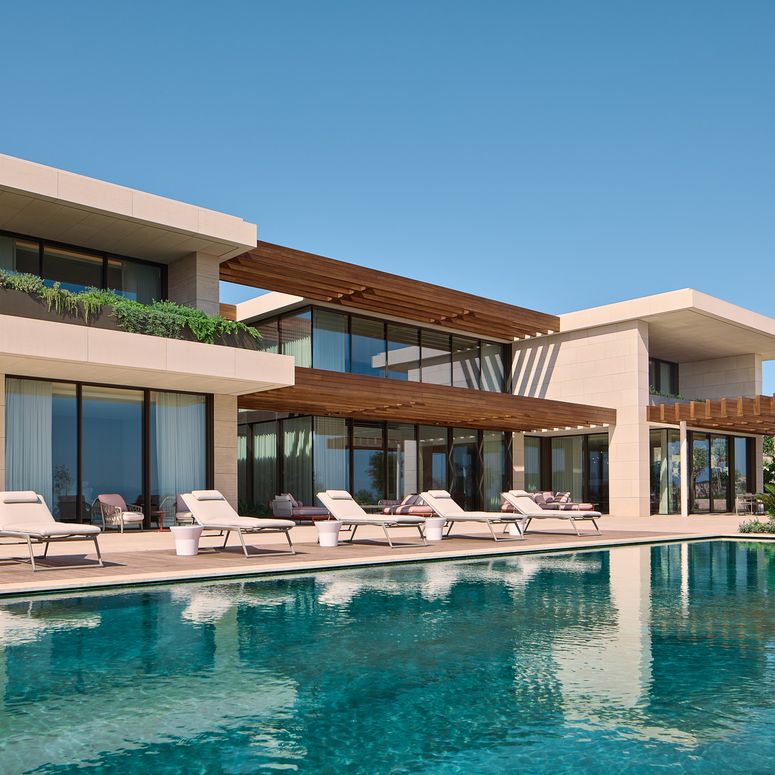
Luxury is no longer about ownership; it’s about being immersed in a lifestyle. These integrations provide brands with an opportunity to strengthen their emotional connection with consumers and uniquely build loyalty, making the brand feel more accessible in everyday life. This significant move helps amplify their brands and extend their stories into everyday lives, which goes beyond a product and also reinforces the brand’s desirability without directly selling a piece of clothing. Carefully curated venues, exclusive food and drinks, pastries that look like tiny sculptures, everything reinforces that luxury image.
Take Gucci’s Palazzo Settimanni, a living museum where visitors experience private tours and can experience archival pieces and the house’s heritage. The La Maison Hermes in Tokyo is an immersive brand space that goes beyond retail, where visitors engage with the story, design and craftsmanship. Meanwhile, Bvlgari, the jewellery maison, has expanded its global footprint with hotels from Milan to Dubai, translating the brand to life using interiors, architecture, service and atmosphere. Adding another layer, Dior has expanded into the gastronomy and wellness sector – from its restaurant Monsieur Dior to the serene Dior spa at Cheval Blanc – offering culinary and wellness experiences that extend the house’s refinement and artistry into the everyday ritual of living.
Instagram content
Experiences outshine because they’re lived, shared and revisited. While a product often stays personal, out of reach and perishable. Immersive spaces open themselves to the community through dinners, events, and interactions that turn into collective emotional memories, where photographs are taken, meals are enjoyed, and they all become a part of social memory. Consumers return to these memories again and again. The hotel stay, private tour, or spa treatment becomes part of your personal story. The very act of inhabiting a luxury environment makes people feel closer to the brand, and this closeness extends far beyond the moment.


.jpg)
