


When Dubai-based Palestinian-Canadian artist Samar Hejazi first learned that her work had been selected for the Costume Institute’s Spring 2026 exhibition at The Metropolitan Museum of Art, she didn’t allow herself to dwell on the scale of it.
“I didn’t really let that reality sink in because I didn’t want it to distract me from the work I needed to do,” she says. “I approached it the same way I approach any commission.”
Only once the work was complete, and the news began to circulate, did the significance fully arrive.
“Then it felt surreal. I felt very fortunate, and honestly proud.”
Hejazi’s sculptural mannequin heads – polished, reflective surfaces designed for Costume Art, opening alongside the Met Gala – will sit within one of the most visible cultural stages in the world. But for the artist, the weight of the moment is not only about visibility, but what that visibility can open up.
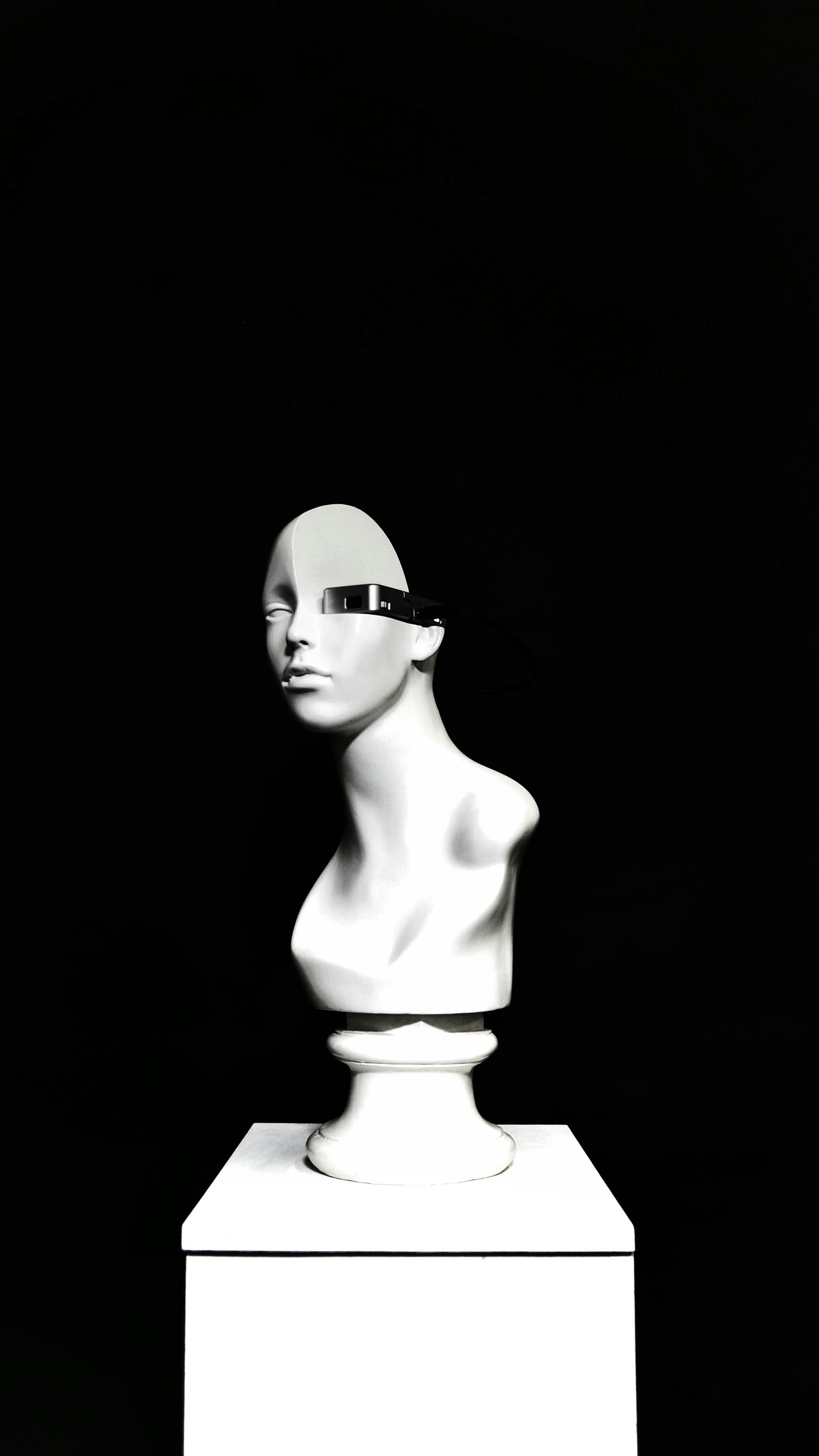
“As a Palestinian-Canadian artist based in Dubai, my work has always been shaped by where I come from and the cultural histories I carry,” she explains. “The significance, for me, is less about the visibility of the event itself and more about what that visibility can do.”
At a time when questions of representation in global cultural institutions are being more urgently examined, Hejazi is clear-eyed about what it means to be part of this moment.
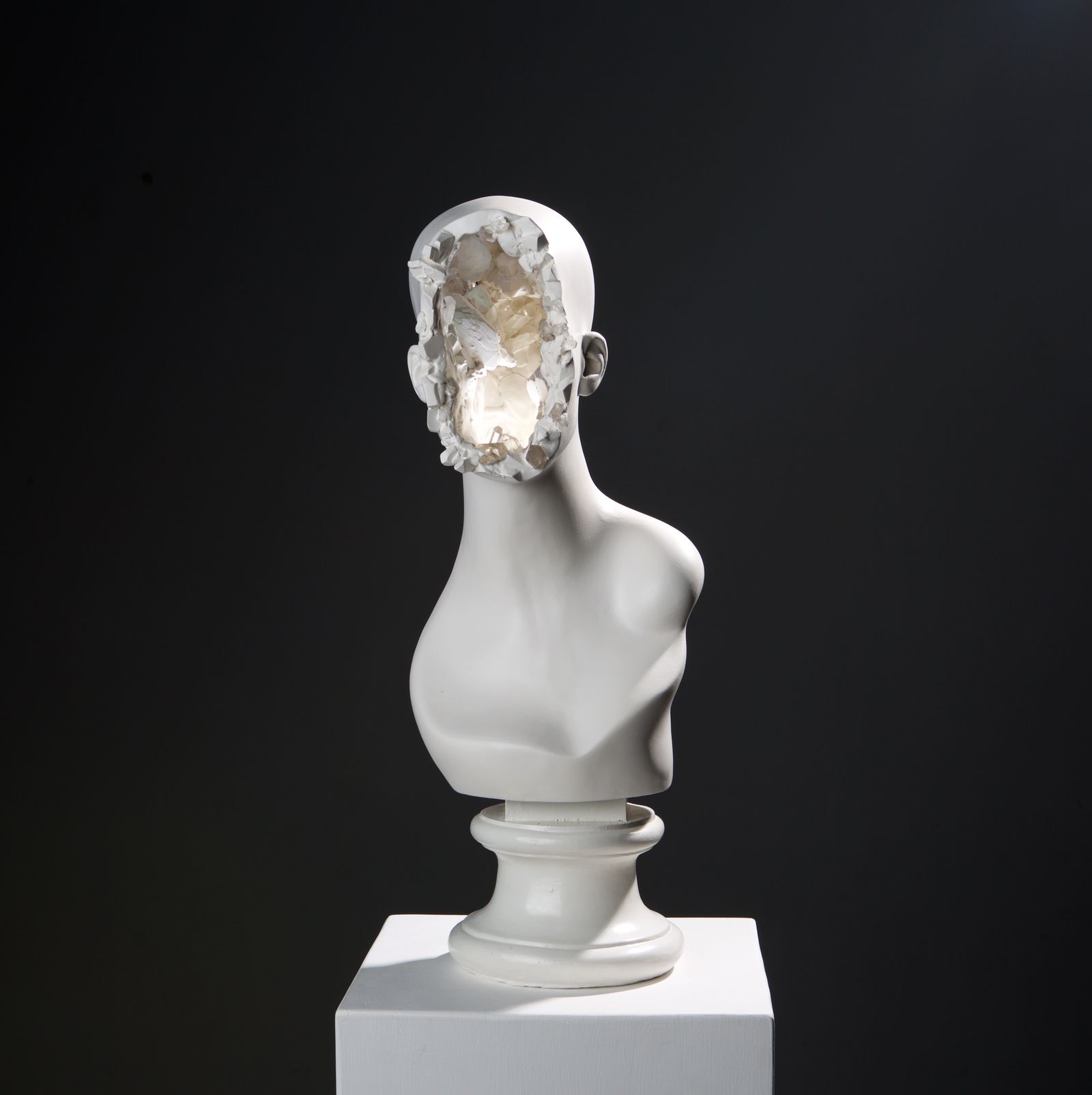
“If my presence there makes an Arab creative feel more empowered, or gives them a greater sense of possibility, then it carries a different kind of meaning,” she says. “As an Arab artist, and as a Palestinian artist, being visible in a space like that feels especially important.”
For Hejazi, however, representation is not about singular exceptionality – it is about normalisation.
“I think visibility matters, but meaningful visibility matters even more,” she says. “I hope moments like this make space for more Arab creatives to be seen not as exceptions, but as part of the fabric of contemporary culture.”

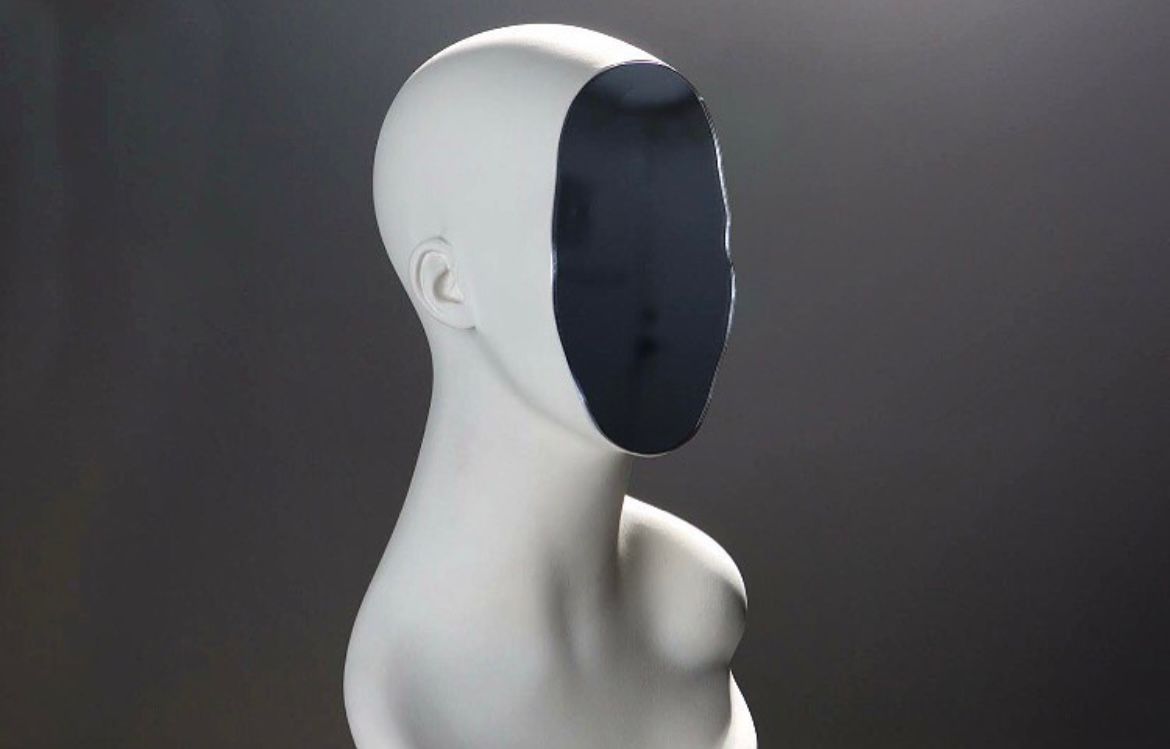
Her contribution to Costume Art is conceptually rooted in reflection – both literal and psychological. The mirrored mannequin heads do not simply display fashion objects; they implicate the viewer.
“The mirrored surfaces create a literal and psychological reflection,” she explains. “They collapse the distance between the object and the viewer, making the audience physically part of the piece.”
In doing so, the work shifts attention away from passive observation and toward participation. The viewer is no longer external to the object – they are folded into it.
“It creates a small moment of surprise, tension, or confusion,” she adds. “In that moment, there’s space for questioning… about what it means to look at a body, identify with it, or imagine yourself within it.”
That tension between self and other sits at the core of Hejazi’s wider practice, which spans textiles, sculpture, printmaking and installation. Across mediums, she returns to questions of perception, memory and the systems through which meaning is constructed.
“I think the central question in my work is about how meaning is formed – through memory, cultural inheritance, and perception,” she says. “I’m interested in the frameworks we rely on to make sense of ourselves.”
At the Met, those ideas will exist within one of fashion’s most theatrical contexts – the Met Gala – an event often defined by spectacle. Yet Hejazi is drawn to the quieter role her work will play within it.
“I actually like that,” she says. “My work often operates in a quieter, more psychological way. Knowing the sculptures will exist within that environment, subtly shifting how the space is perceived, feels aligned with how I think about my practice.”
The timing of the commission also coincides with her solo exhibition in Dubai, In Circulation, currently on view at Aisha Alabbar Gallery. One exists within an intimate, personal framework; the other within a global institutional spotlight.
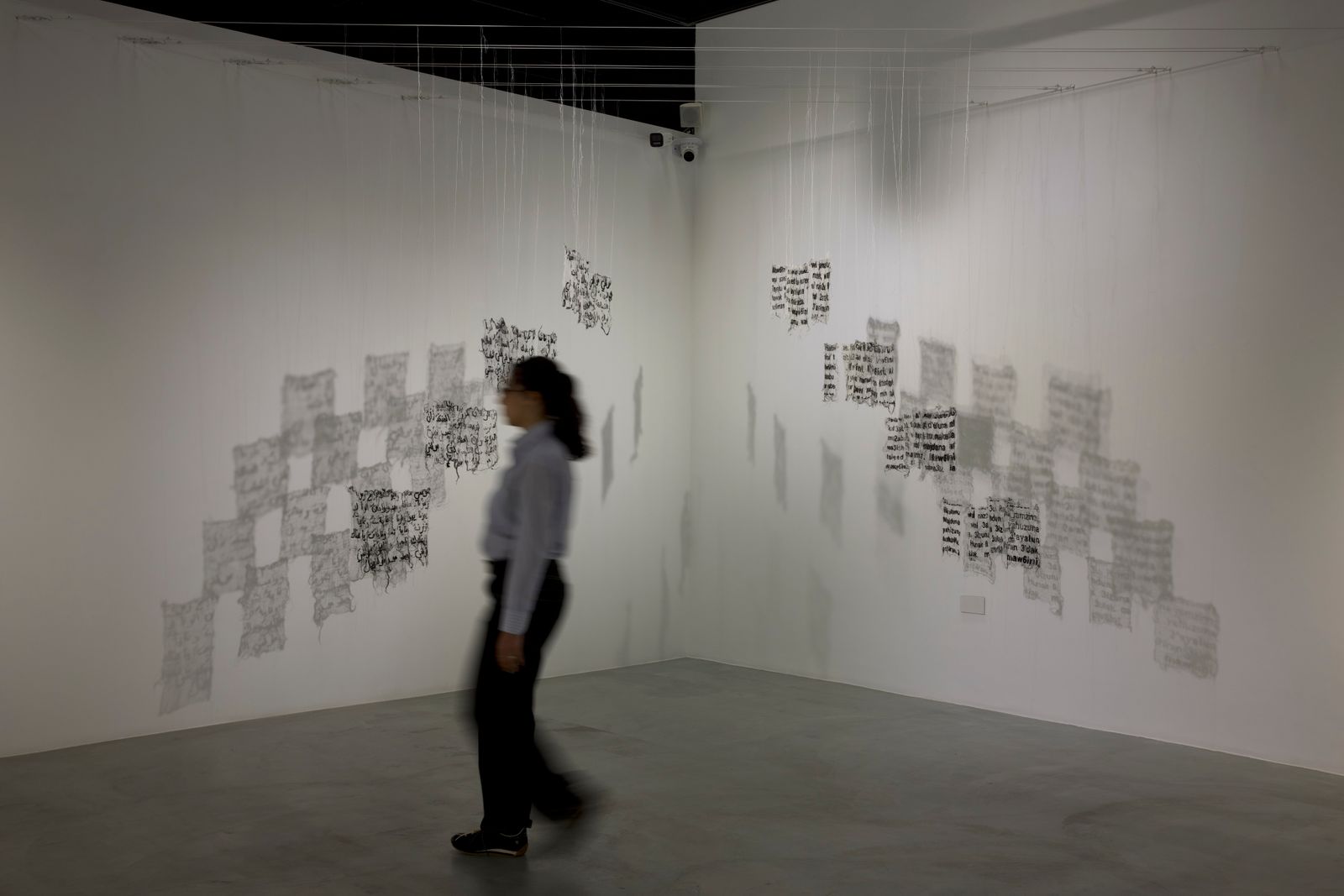
“It’s been a strange and beautiful overlap,” she reflects. “I try not to think too much about visibility while I’m making – the work has to come first.”
Still, she acknowledges the duality of the moment: local and global, personal and public, unfolding at once.
For an artist whose practice is rooted in examining instability – of identity, of meaning, of perception – the moment feels less like arrival and more like continuation.
Across the mirrored surfaces of her work, the viewer is asked not only to look, but to recognise themselves in what they see. And in that reflection, Hejazi’s presence at The Met becomes something larger than a milestone. It becomes a question of who gets to be seen at all – and who gets to be reflected back.
.jpg)


